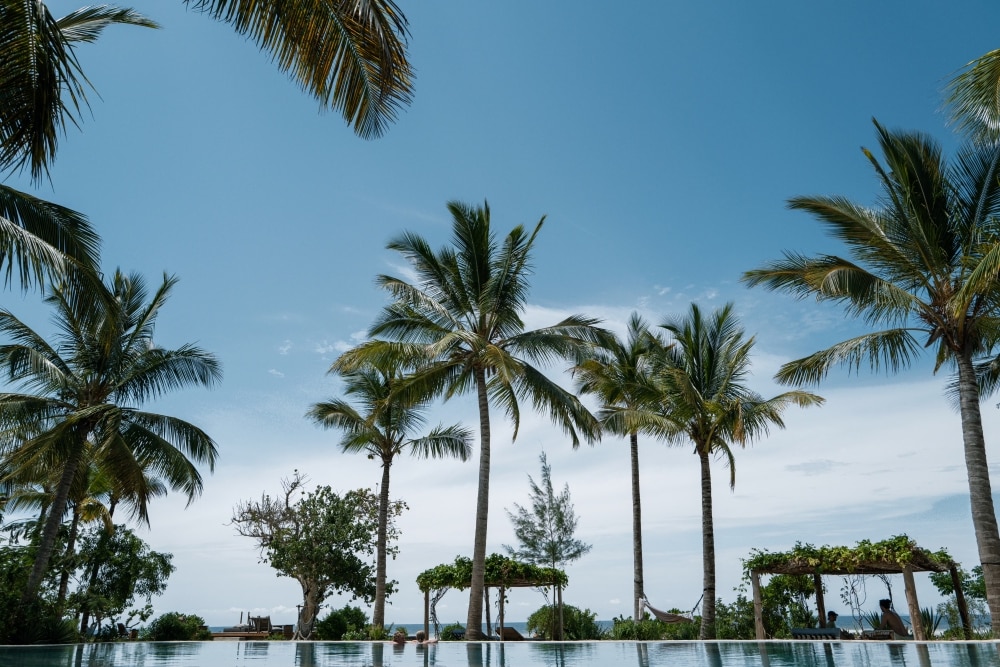

Vestland
Norge

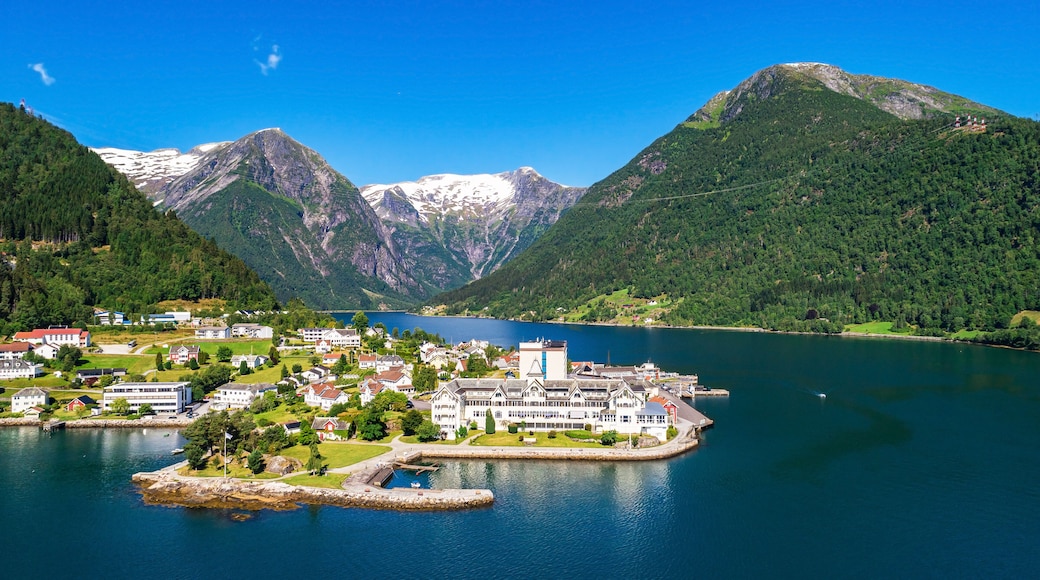
Vestland – populære byer
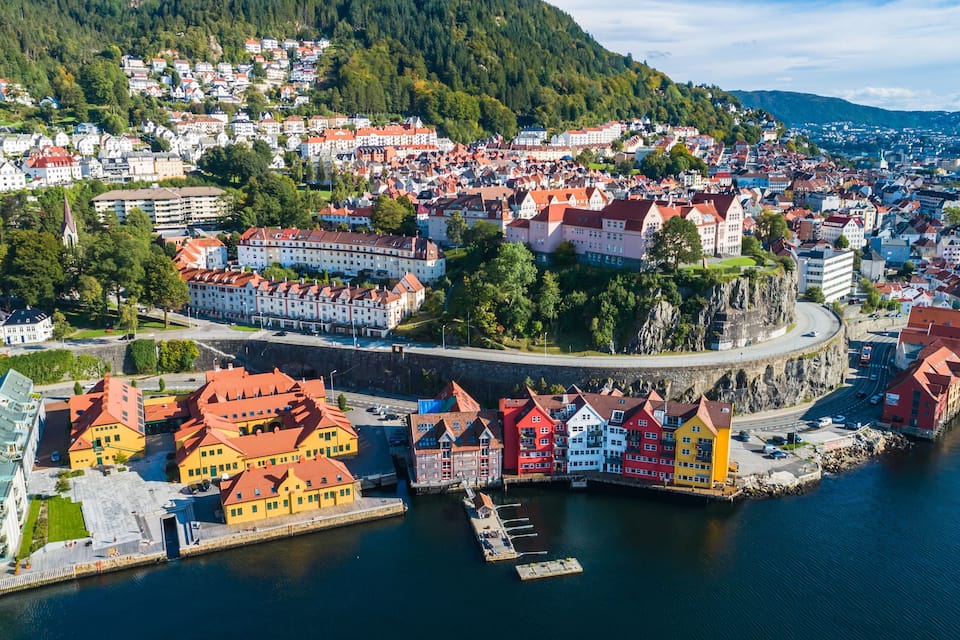
Bergen
Kjent for Shopping, Turgåing og Sjømat
Bergen venter: museer, historiske steder, kaféer og mye mer!
Grunner til å reise
- Bryggen
- Bryggen
- Fiskemarked
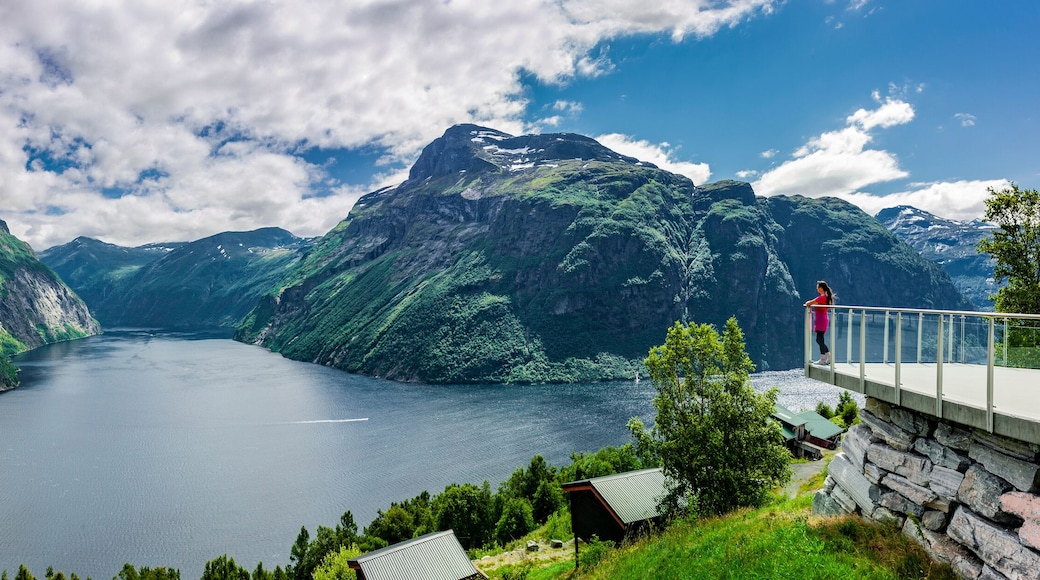
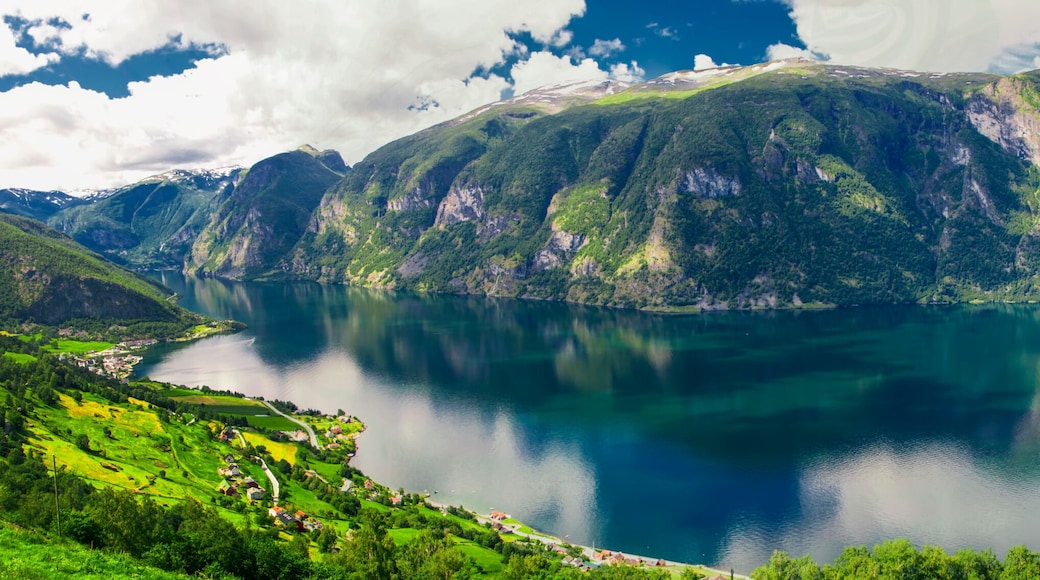
Aurland
Kjent for Restauranter, Utflukter og Fossefall
Aurland har et spektakulært landskap med majestetiske fjorder og er i tillegg en inngangsport til flere spennende utendørs aktiviteter som fjellklatring, kajakkpadling og fotturer i villmarken.
Grunner til å reise
- Nærøyfjorden
- Stegastein utsiktspunkt
- Otternes Bygdetun
Ullensvang
Kjent for På UNESCOs verdensarvliste, Solrikt og På landet
Koselige Ullensvang venter på deg, og kan friste med steder på UNESCOs verdensarvliste, flott vær, fjellutsikt og mye mer.
Grunner til å reise
- Trolltunga
- Røldal stavkirke
Voss
Kjent for Ski, Rafting og Camping
Voss er et av Norges mest kjente vintersportssteder. En dag i solen i dette anlegget er den perfekte måten å tilbringe en vinterdag på.
Grunner til å reise
- Skjervsfossen
Stryn
Kjent for Isbreer, Fotturer og Fjell
Vestlandsbygda Stryn ligger i Nordfjord og byr på fantastiske naturattraksjoner som høye fjell, dype fjorder og isbreer, noe som gjør dette til et perfekt feriested for friluftsinteresserte.
Grunner til å reise
- Lovatnet
Sogndal
Kjent for Kaffe, Isbreer og Kajakkpadling
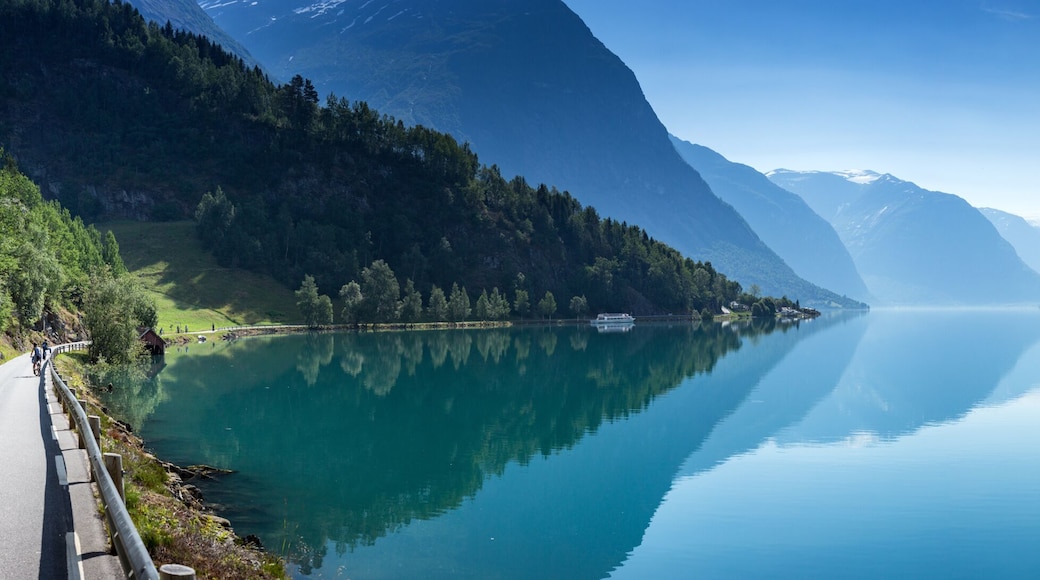
Sogndal ligger idyllisk til i Sognefjorden, og byr på noen av Norges beste naturopplevelser i det som kanskje er landets aller vakreste landskap.

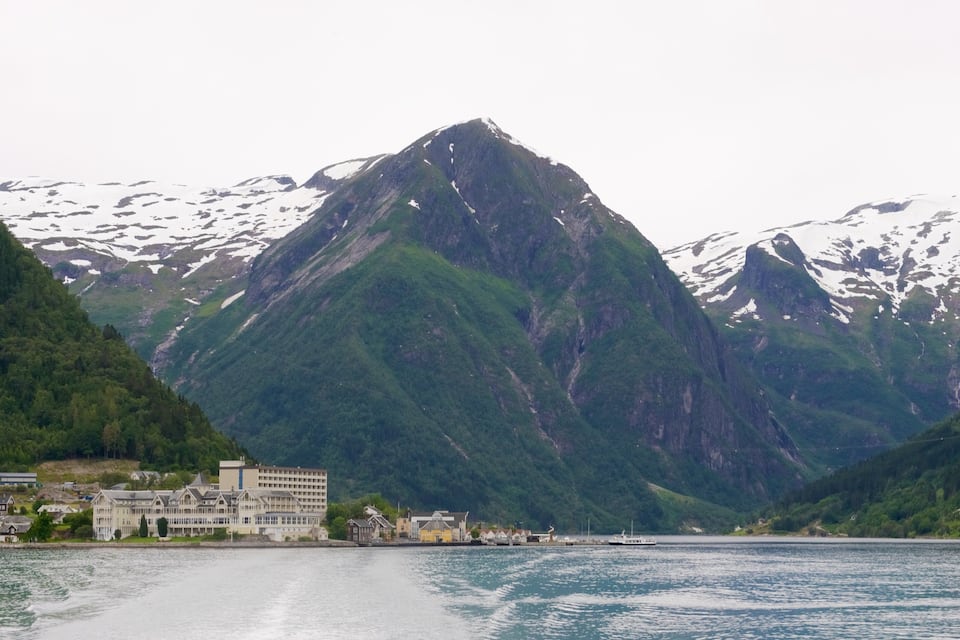


Byer i Vestland
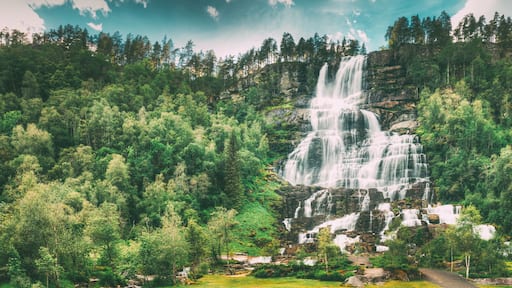
Voss
Voss er et av Norges mest kjente vintersportssteder. En dag i solen i dette anlegget er den perfekte måten å tilbringe en vinterdag på.
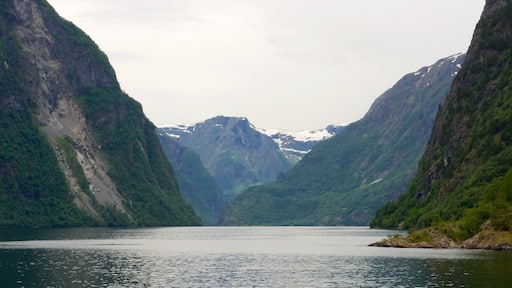
Aurland
Aurland har et spektakulært landskap med majestetiske fjorder og er i tillegg en inngangsport til flere spennende utendørs aktiviteter som fjellklatring, kajakkpadling og fotturer i villmarken.

Sogndal
Sogndal ligger idyllisk til i Sognefjorden, og byr på noen av Norges beste naturopplevelser i det som kanskje er landets aller vakreste landskap.
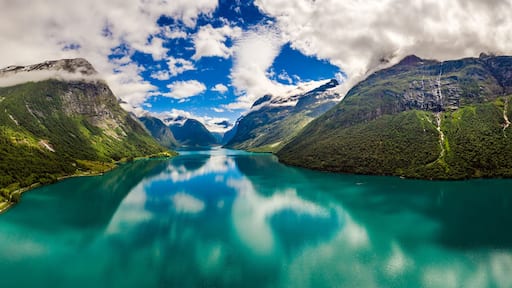
Stryn
Vestlandsbygda Stryn ligger i Nordfjord og byr på fantastiske naturattraksjoner som høye fjell, dype fjorder og isbreer, noe som gjør dette til et perfekt feriested for friluftsinteresserte.
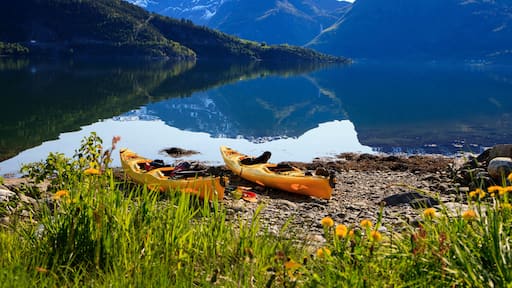
Luster
Opplev både fjell og fjord i det flotteste Bygde-Norge har å by på. Enten det er brevandring, rå skisentere eller toppturer, har Luster for noe for alle.

Odda
Med Odda som utgangspunkt kan du gå på fjellet og nyte den uendelige utsikten, prøve isbrevandring og oppleve den vakre Hardangerfjorden med klipper og fosser.


Utforsk en verden av reiser med Expedia
- 3-Stjerners hoteller i Haljem
- 3-Stjerners hoteller i Vossevangen
- 4-Stjerners hoteller i Haljem
- 5-Stjerners hoteller i Haljem
- Independent-Hoteller i Årdalstangen
- Hoteller i Breim
- Hoteller i Finse
- Independent-Hoteller i Fjæra
- Hoteller i Gaupne
- Hoteller i Holmedal
- Independent-Hoteller i Høyanger
- Leiligheter i Jølster
- Vandrerhjem i Jølster
- Sportshytter i Jølster
- Landlige hus i Jølster
- Billige hoteller i Lote
- Hoteller med basseng i Lote
- Luksushoteller i Lote
- Independent-Hoteller i Skare
- Billige hoteller i Steinsbø
- Besøk Alveim
- Besøk Bremnes
- Besøk Dalsøyra
- Besøk Eivindvik
- Besøk Flekke
- Besøk Flesland
- Besøk Flora
- Besøk Garnes
- Besøk Gaular
- Besøk Gaupne
- Besøk Gloppen
- Besøk Herand
- Besøk Herdla
- Ferier i Hjelle
- Besøk Hjelle
- Besøk Innvik
- Besøk Isdalstø
- Besøk Kokstad
- Besøk Kråkhella
- Besøk Kvam
- Besøk Lavik
- Ferier i Måløy
- Besøk Marifjøra
- Besøk Meling
- Besøk Melvær
- Besøk Nautnes
- Besøk Nesttun
- Besøk Os
- Besøk Raudeberg
- Besøk Røldal
- Ferier i Skålevik
- Besøk Sletta
- Besøk Solheim
- Besøk Stamnes
- Besøk Sveio kommune
- Besøk Tertnes
- Besøk Uggdalseidet
- Besøk Ulset
- Besøk Ulvik
- Besøk Vadheim
- Besøk Vangsnes
- Besøk Veitastrond
- Ferier i Vossevangen
- Besøk Øystese
- Leiebiler fra Avis i Vossevangen
- Leiebiler fra Budget i Vossevangen
- Leiebiler fra Enterprise i Vossevangen
- Leiebiler fra Hertz i Vossevangen
- Leiebil i Bømlo
- Leiebil i Flåm
- Leiebil i Førde
- Leiebil i Husnes
- Leiebil i Knarvik
- Leiebil i Kvinnherad
- Leiebil i Måløy
- Leiebil i Nordfjordeid
- Leiebil i Odda
- Leiebil i Sogndal
- Leiebil i Voss
- Leiebil i Øvre Eidfjord
- Luksus-Leiebiler i Bergen
- Pickup-Leiebiler i Bergen
- Passasjer-Van-Leiebiler i Bergen
- Passasjer-Van-Leiebiler i Voss