Ting å gjøre i Midt-Java

Aktiviteter, attraksjoner og omvisninger

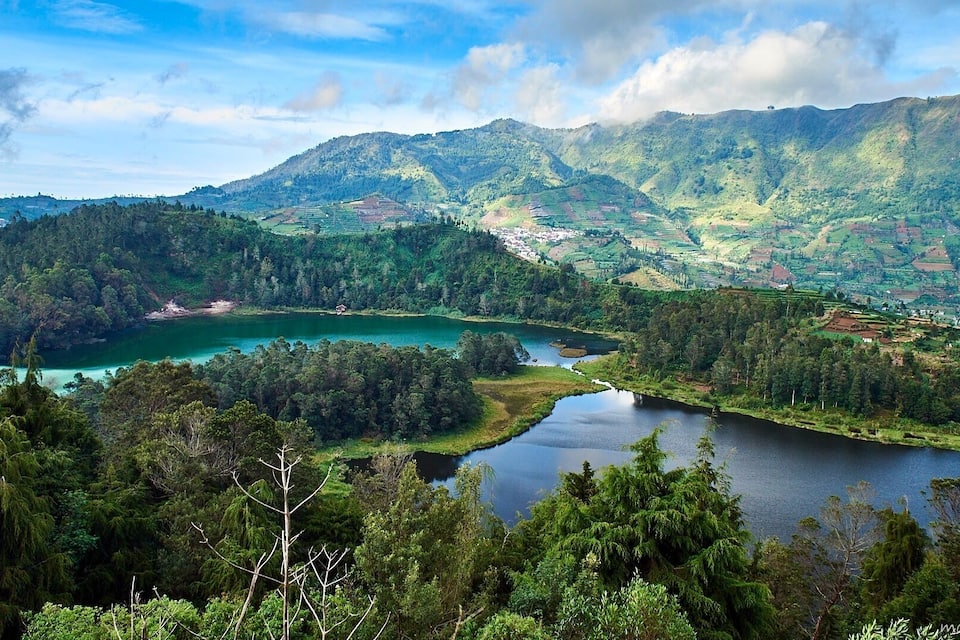
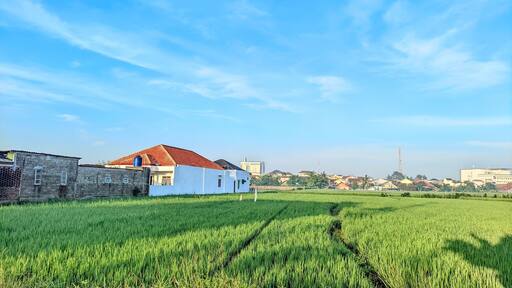
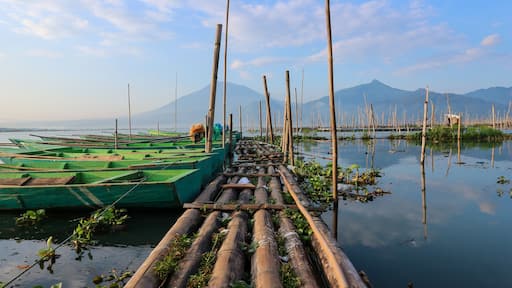
Midt-Java som inkluderer båter, tropisk landskap og strand
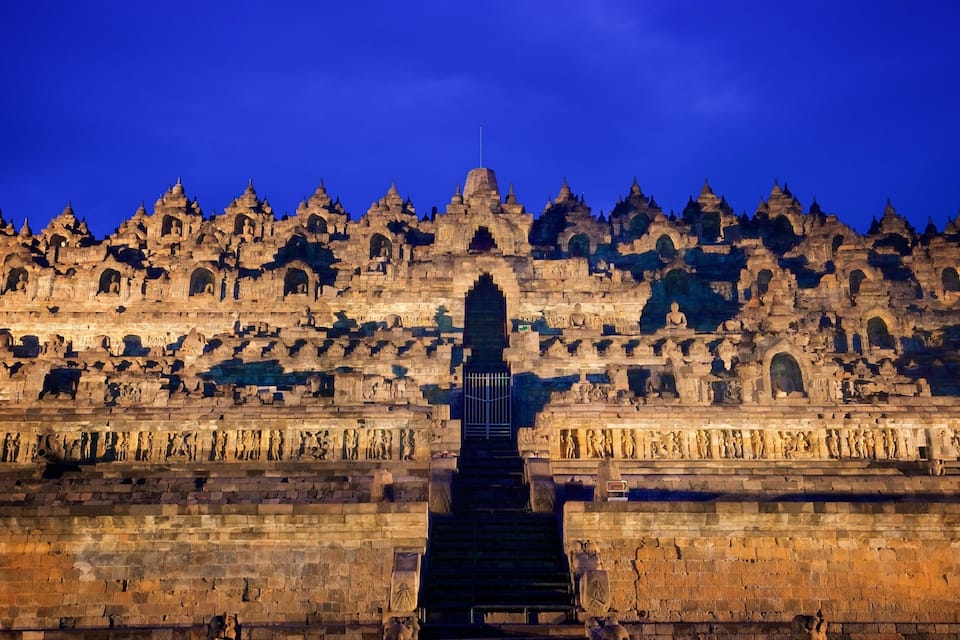
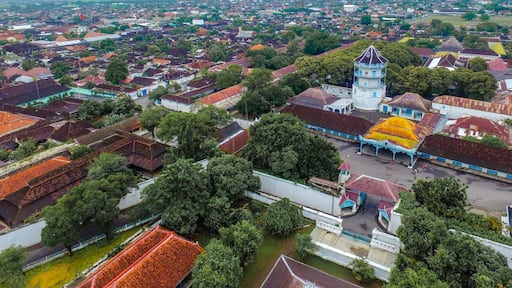
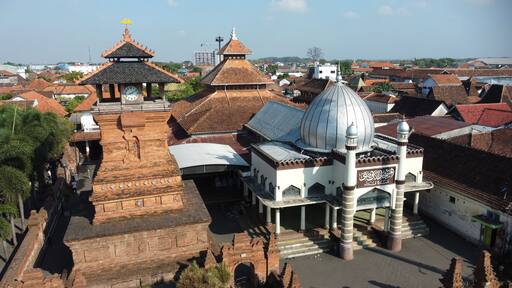
Prambanan tempel som viser bygningsruiner og historisk arkitektur
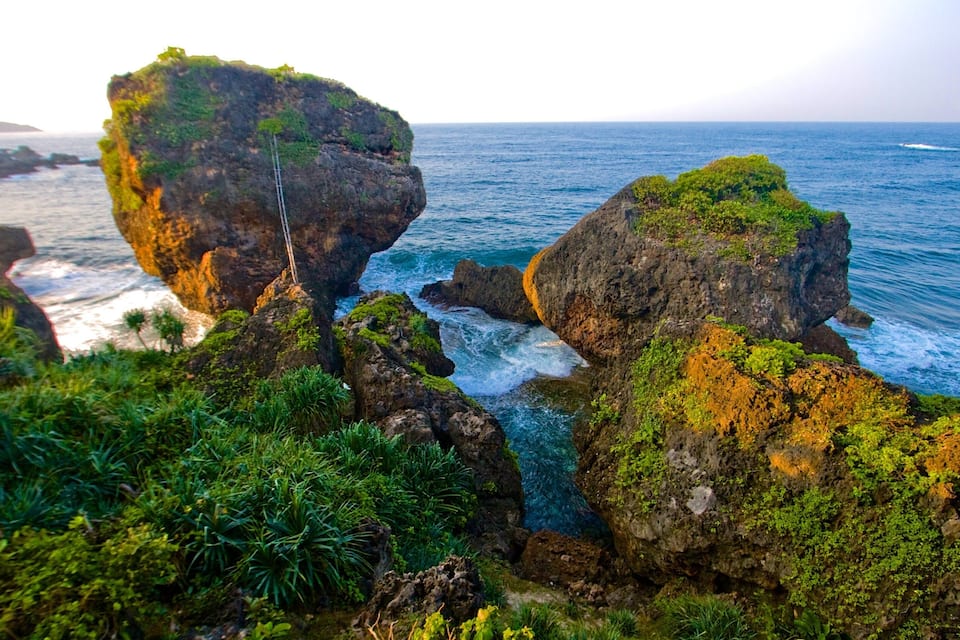
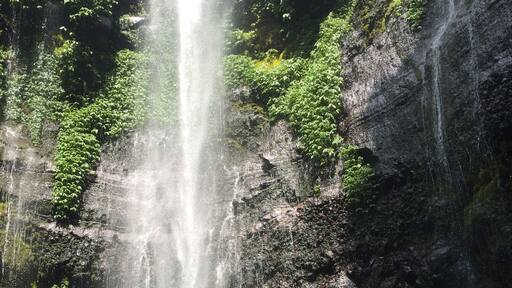
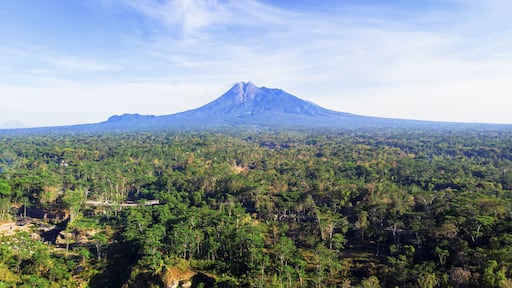
Midt-Java som inkluderer landskap og strand
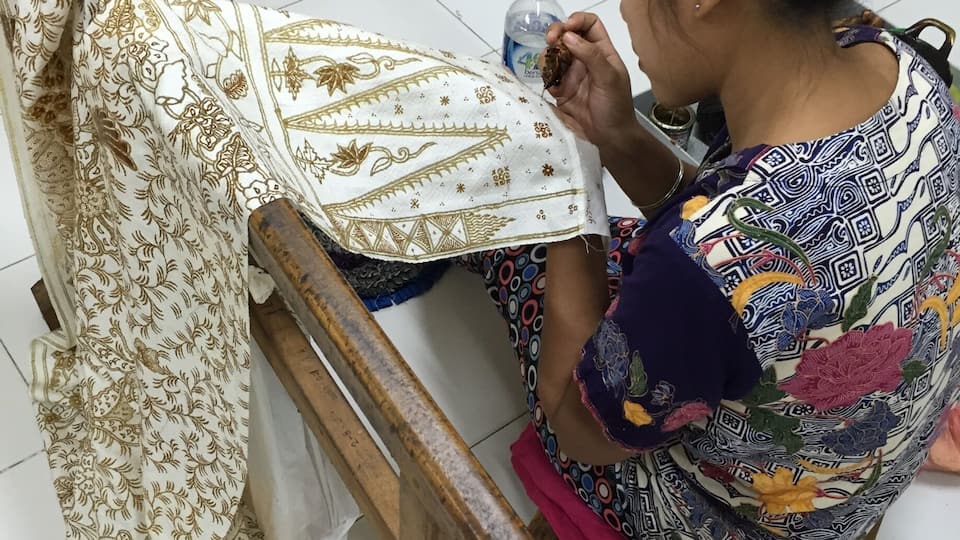
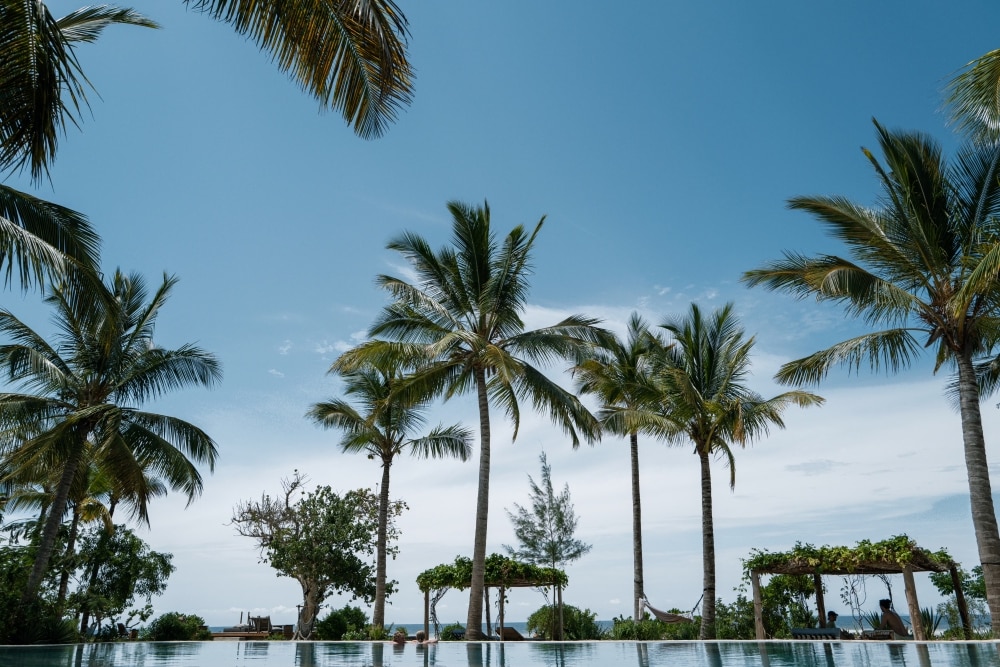
Midt-Java som inkluderer kyst i tillegg til en kvinne

  • find price illustration

    Se opplevelser

    Utforsk tusenvis av opplevelser, fra aktiviteter og severdigheter til dagsturer og transport.
  • calendar shield illustration

    Bestill enkelt

    Hopp over køen – bestill billetter på nett til populære severdigheter med gratis avbestilling på mange opplevelser.
  • trophy illustration

    Gi deg selv litt ekstra

    Medlemmer sparer minst  % ved bestilling av opplevelser.

Populære aktiviteter

Omvisninger og dagsturer

Se alle 118 opplevelser

Private og skreddersydde turer

Se alle 68 opplevelser

Show og konserter

Se alle 8 opplevelser

Mat, drikke og uteliv

Se alle 7 opplevelser

Kurs og seminarer

Se alle 5 opplevelser

Populære steder å besøke

Områder i Midt-Java

At the museum no photos are allowed which is really unfortunate as it was well worth the visit and the guided tour is definitely not to be missed. In the museum there are even Batik made from the Dutch era which depicts stories like Little Red Riding Hood and Snow White!

I enjoyed the tour v much and at the end of the tour we were brought to this room where the artisan were working on hand drawn batik.

Below is an excerpt from Wikipedia for anyone interested in learning more about the process of batik making.

Firstly, a cloth is washed, soaked and beaten with a large mallet. Patterns are drawn with pencil and later redrawn using hot wax, usually made from a mixture of paraffin or bees wax, sometimes mixed with plant resins, which functions as a dye-resist. The wax can be applied with a variety of tools. A pen-like instrument called a canting (IPA: [tʃantiŋ], sometimes spelled with old Dutch orthography tjanting) is the most common. A canting is made from a small copper reservoir with a spout on a wooden handle. The reservoir holds the resist which flows through the spout, creating dots and lines as it moves. For larger patterns, a stiff brush may be used. Alternatively, a copper block stamp called a cap (IPA: [tʃap]; old spelling tjap) is used to cover large areas more efficiently.

After the cloth is dry, the resist is removed by scraping or boiling the cloth. The areas treated with resist keep their original color; when the resist is removed the contrast between the dyed and undyed areas forms the pattern. This process is repeated as many times as the number of colors desired.

The most traditional type of batik, called batik tulis

Surakarta bysentrum

Både interessante museer og morsomme dyrehager står på menyen i Surakarta bysentrum. Du bør også sette av tid til å få med deg Solo Paragon Lifestyle Mall (kjøpesenter) og Keprabon park.
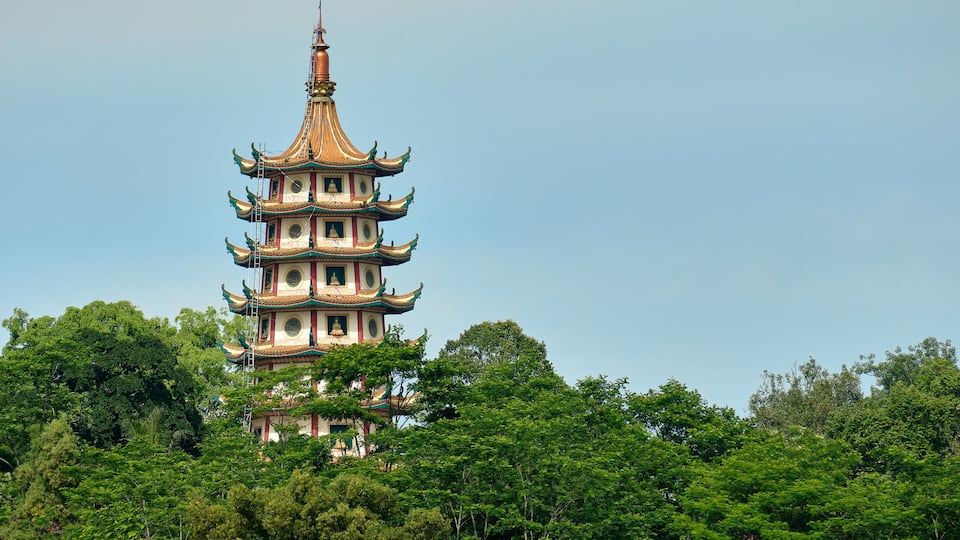
Surakarta bysentrum
Default Image

Vest-Semarang

Selv om Vest-Semarang ikke har så mange velkjente severdigheter, trenger du ikke å reise langt for å få med deg attraksjoner som Lawang Sewu og DP Mall Semarang.

Vest-Semarang
At the museum no photos are allowed which is really unfortunate as it was well worth the visit and the guided tour is definitely not to be missed. In the museum there are even Batik made from the Dutch era which depicts stories like Little Red Riding Hood and Snow White!

I enjoyed the tour v much and at the end of the tour we were brought to this room where the artisan were working on hand drawn batik.

Below is an excerpt from Wikipedia for anyone interested in learning more about the process of batik making.

Firstly, a cloth is washed, soaked and beaten with a large mallet. Patterns are drawn with pencil and later redrawn using hot wax, usually made from a mixture of paraffin or bees wax, sometimes mixed with plant resins, which functions as a dye-resist. The wax can be applied with a variety of tools. A pen-like instrument called a canting (IPA: [tʃantiŋ], sometimes spelled with old Dutch orthography tjanting) is the most common. A canting is made from a small copper reservoir with a spout on a wooden handle. The reservoir holds the resist which flows through the spout, creating dots and lines as it moves. For larger patterns, a stiff brush may be used. Alternatively, a copper block stamp called a cap (IPA: [tʃap]; old spelling tjap) is used to cover large areas more efficiently.

After the cloth is dry, the resist is removed by scraping or boiling the cloth. The areas treated with resist keep their original color; when the resist is removed the contrast between the dyed and undyed areas forms the pattern. This process is repeated as many times as the number of colors desired.

The most traditional type of batik, called batik tulis

Banjarsari

Skal du til Banjarsari, bør du få med deg severdigheter som Solo Paragon Lifestyle Mall (kjøpesenter) og Balekambang bypark.

Banjarsari
Default Image

Semarang gamleby

Semarang gamleby er kjent for blant annet spennende butikker, og du bør også få med deg populære attraksjoner som Kota Lama Semarang og Semarang samtidskunstgalleri.

Semarang gamleby
Default Image

Candisari

Selv om det ikke er så mange kjente severdigheter i Candisari, kan du utforske området rundt og se ta turen til for eksempel Simpang Lima-parken og Ciputra kjøpesenter Semarang.

Candisari
Default Image

Dadapsari

Hvis du ser etter noe spennende å se og gjøre i Dadapsari og omegn, kan du ta turen til Paragon City Mall Semarang og Gamle Semarang postkontor.

Dadapsari

Byer nær Midt-Java