
Tegalrejo
Reiseguide

Besøk Tegalrejo

Hotel Tentrem Yogyakarta
Jl. P. Mangkubumi 72A Yogyakarta Yogyakarta
Prisen er 1 282 kr per natt fra 18. aug. til 19. aug.
1 282 kr
18. aug.–19. aug.
inkludert skatter og avgifter
Du kan bo på dette hotellet i luksuriøs stil under oppholdet i Yogyakarta. Stedet tilbyr følgende tjenester/fasiliteter: frokost (inkludert), wi-fi (inkludert) ...

Top Malioboro Hotel
Jalan HOS Cokroaminoto No. 145 Yogyakarta
Prisen er 164 kr per natt fra 20. aug. til 21. aug.
164 kr
20. aug.–21. aug.
inkludert skatter og avgifter
Du kan bo på dette hotellet under turen til Yogyakarta. Stedet tilbyr følgende tjenester/fasiliteter: wi-fi (inkludert), parkering (inkludert) og frokost (mot ...
6,2/10 (17 anmeldelser)
not good hotel
"Gave us very bad rooms at the start , toilet was bad , Air condition did not work after telling off the staff we got a decent room , we were very disappointed, it did not rate even up to a 2 star hotel"
Anmeldelse skrevet 23. apr. 2019

Swiss-Belexpress Yogyakarta
99 Jl. Kusumanegara Yogyakarta Jogja
Prisen er 212 kr per natt fra 18. aug. til 19. aug.
212 kr
18. aug.–19. aug.
inkludert skatter og avgifter
Du kan bo på dette hotellet under turen til Yogyakarta. Stedet tilbyr følgende tjenester/fasiliteter: wi-fi (inkludert), parkering (inkludert) og frokost (mot ...
Laveste pris per natt funnet de siste 24 timene, basert på et opphold på 1 natt for 2 voksne. Priser og tilgjengelighet kan endre seg. Ytterligere vilkår kan gjelde.

Allure Villa Yogyakarta
Jl. Jambon Tengah Yogyakarta Jogja
Du kan bo i denne villaen med fasiliteter for forretningsreisende under oppholdet i Yogyakarta. Stedet tilbyr følgende tjenester/fasiliteter: wi-fi (inkludert), ...

Oakwood Yogyakarta
Jl. A.M. Sangaji No.36, Yogyakarta
Du kan bo på dette leilighetshotellet i luksuriøs stil under oppholdet i Yogyakarta. Stedet tilbyr følgende tjenester/fasiliteter: parkering (inkludert), spa ...
9,4/10 Suverent! (3 anmeldelser)
"素晴らしいホテル"
Anmeldelse skrevet 25. juli 2026

Marra Hotel
Jl. Seturan Raya No.1 Depok Yogyakarta
Du kan bo på dette leilighetshotellet med fasiliteter for forretningsreisende under oppholdet i Depok. Stedet tilbyr følgende tjenester/fasiliteter: wi-fi (inkludert), ...
7,8/10 Bra! (25 anmeldelser)
Not recomendeed to have
"Messy and dirty"
Anmeldelse skrevet 29. okt. 2024
Laveste pris per natt funnet de siste 24 timene, basert på et opphold på 1 natt for 2 voksne. Priser og tilgjengelighet kan endre seg. Ytterligere vilkår kan gjelde.
Bo nær populære severdigheter i Tegalrejo
Opplevelser

Borobudur Soloppgang fra Setumbu Hill, Merapi-vulkanen og Prambanan heldagstur
1 270 kr
per voksen

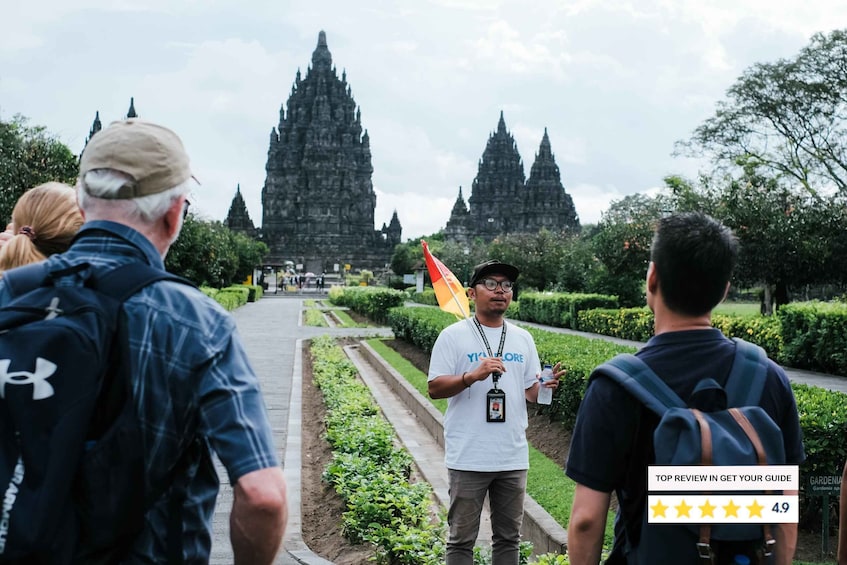
Yogyakarta: Borobudur-oppklatring og Prambanan felles guidet tur
160 kr
per voksen
Anbefales av 100 % av reisende

Yogyakarta: Borobudur soloppgang (oppklatring garantert) og Prambanan
413 kr
per voksen
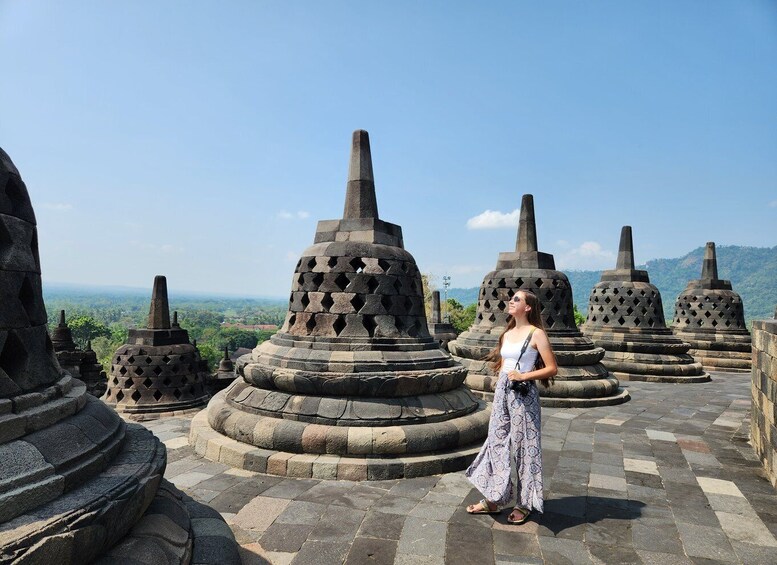
Yogyakarta: Tur opp til Borobudur og guidet besøk til Prambanan med henting
300 kr
per voksen
Anbefales av 100 % av reisende

Skreddersydd privat tur i Yogyakarta med fransktalende guide
469 kr
per reisende