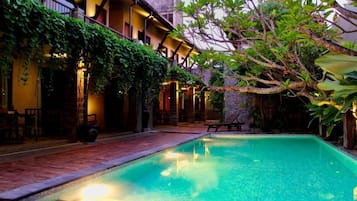
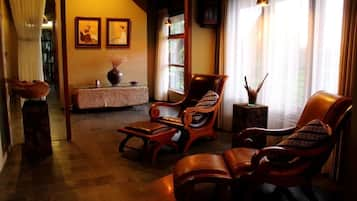
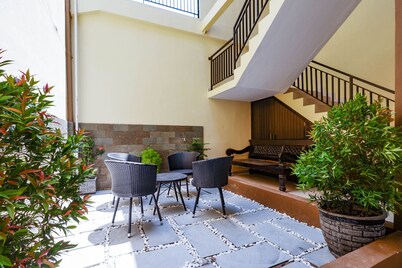
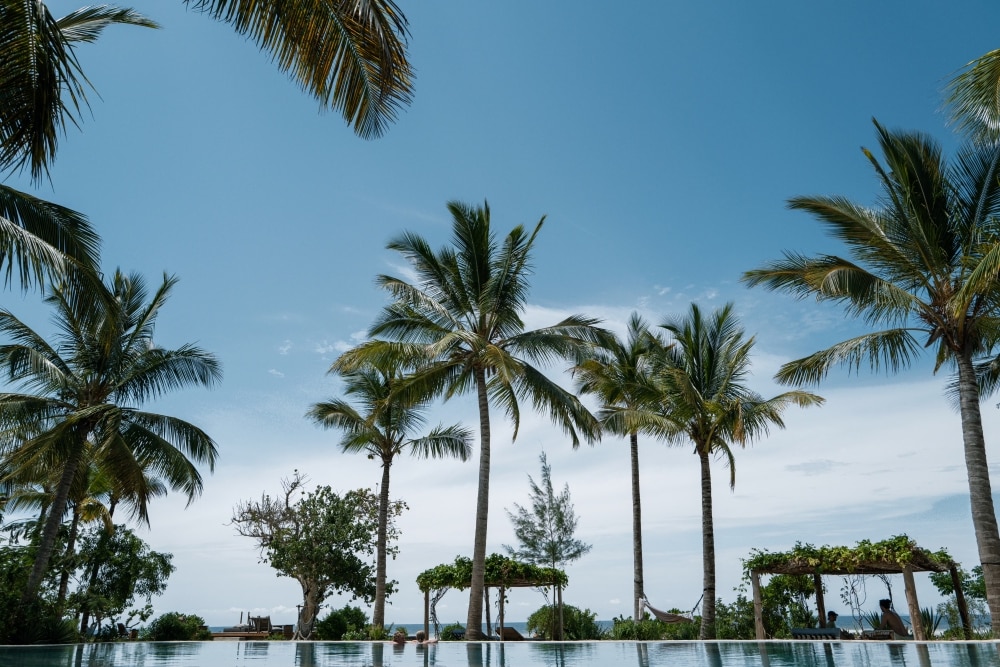
Bilde tatt av Sharrie Shaw
Hoteller i Surakarta
- Det er lov å ombestemme segBestill hoteller med gratis avbestilling.
- Vær kresenSøk blant nesten en million overnattingssteder verden rundt.
Velg noe utenom det vanlige i Surakarta
Sjekk priser på disse datoene
I kveld
I morgen
Denne helgen
Neste helg
Våre anbefalinger for hoteller i Surakarta

9.0 av 10, Fantastisk, (6)
Prisen er 669 kr
inkludert skatter og avgifter
4. jan.–5. jan. 2026
Prisen er 831 kr
inkludert skatter og avgifter
12. jan.–13. jan. 2026

9.0 av 10, Fantastisk, (9)
Prisen er 410 kr
inkludert skatter og avgifter
18. des.–19. des.

The Alana Hotel and Convention Center - Solo by Aston
The Alana Hotel and Convention Center - Solo by AstonColomadu
8.2 av 10, Veldig bra, (62)
Prisen er 639 kr
inkludert skatter og avgifter
21. des.–22. des.
Prisen er 310 kr
inkludert skatter og avgifter
1. jan.–2. jan. 2026
Laveste pris per natt funnet de siste 24 timene, basert på et opphold på 1 natt for 2 voksne. Priser og tilgjengelighet kan endre seg. Ytterligere vilkår kan gjelde.
Gode helgetilbud på hoteller i Surakarta
Viser tilbud for:26. des.–28. des.
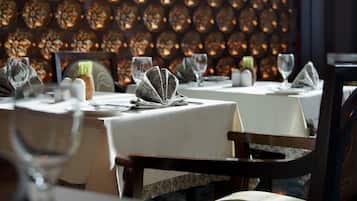
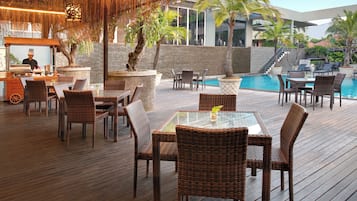
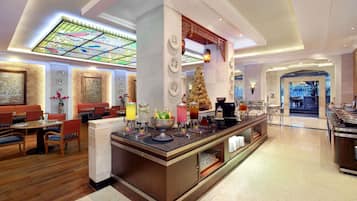
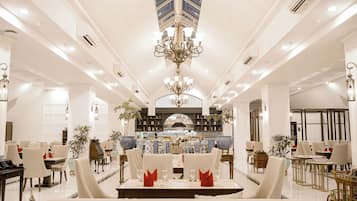
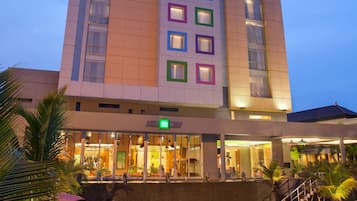
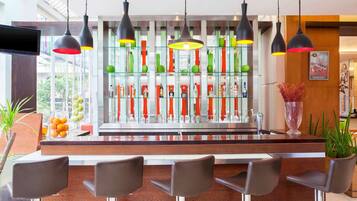
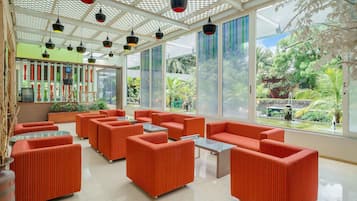
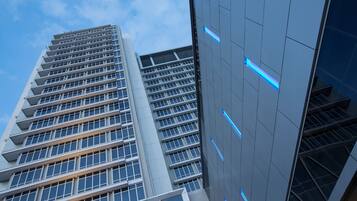
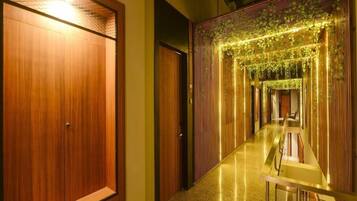
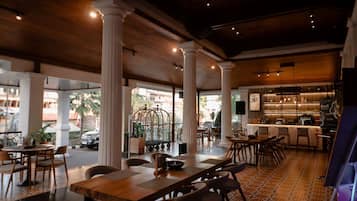
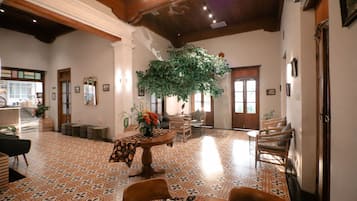
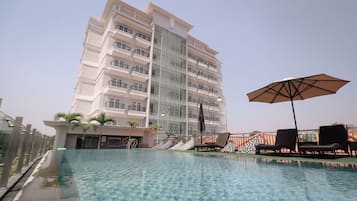
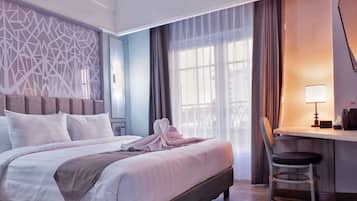
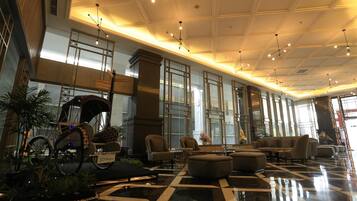
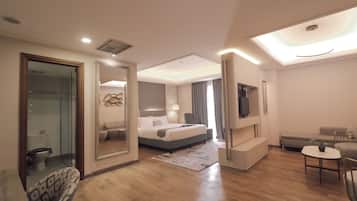
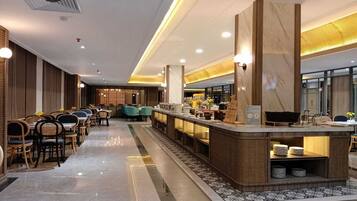
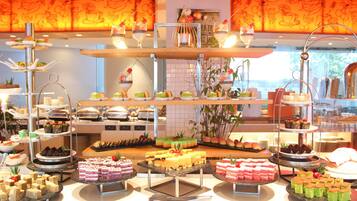
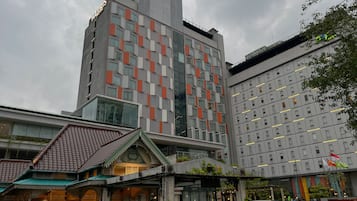
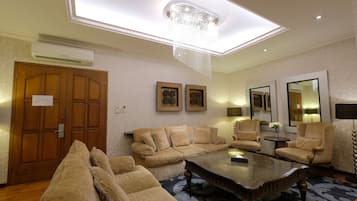
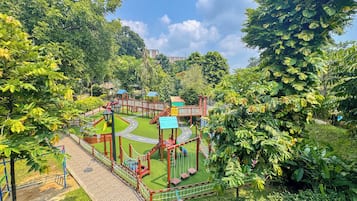
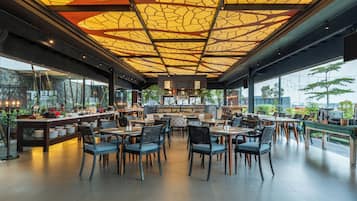
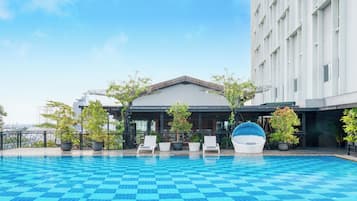
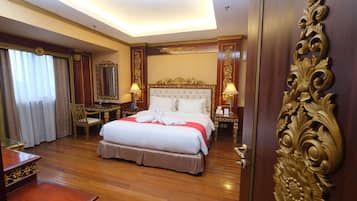
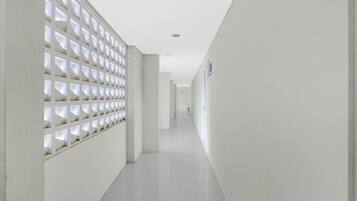
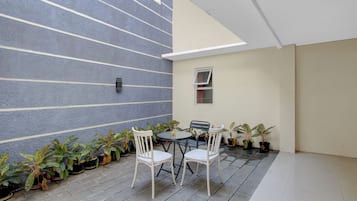
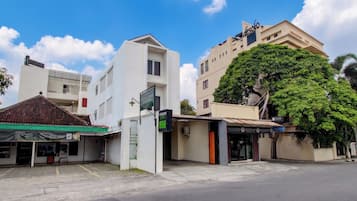
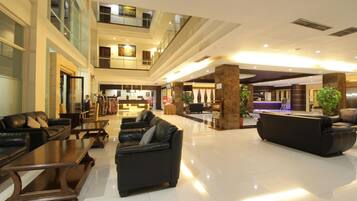
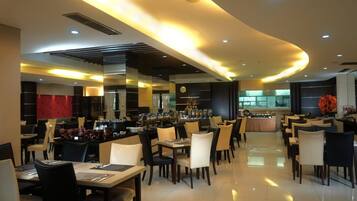
Bildegalleri for Grand Mercure Solo Baru

Grand Mercure Solo Baru
Grogol
8.6/10Utmerket (76 anmeldelser)
15 % rabatt
Prisen er 1 344 kr
for 2 netter, 1 rom
672 kr per natt
inkludert skatter og avgifter
Logg på og spar 15 % i snitt på tusenvis av hoteller
Oppdag områdene i Surakarta
Finn de mest populære områdene i Surakarta for de aktivitetene du liker best. Les mer om Surakarta
Les mer om Surakarta
Surakarta bysentrum
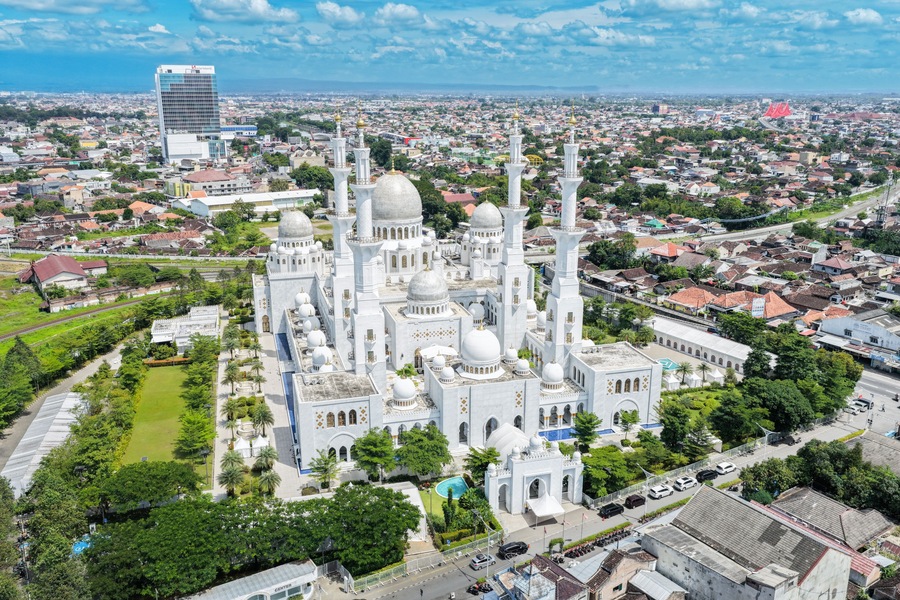
Både interessante museer og morsomme dyrehager står på menyen i Surakarta bysentrum. Du bør også sette av tid til å få med deg Solo Paragon Lifestyle Mall (kjøpesenter) og Keprabon park.
Banjarsari
Skal du til Banjarsari, bør du få med deg severdigheter som Solo Paragon Lifestyle Mall (kjøpesenter) og Balekambang bypark.
Bo nær populære severdigheter i Surakarta
Anmeldelser av populære hoteller i Surakarta
Billig overnatting i Surakarta

Hotel Tirtonadi Permai
6 Jl. Tagore Surakarta Jawa Tengah
Prisen er 151 kr per natt fra 10. jan. til 11. jan.
151 kr
10. jan.–11. jan. 2026
inkludert skatter og avgifter
Hoteller i Surakarta med stjernerangering

3-stjerners hoteller
122 overnattingssteder
Ofte stilte spørsmål
Utforsk en verden av reiser med Expedia
Områder i Surakarta
Finn et hotell i Surakarta i nærheten av en severdighet
Finn et hotell i Surakarta i nærheten av en flyplass
Hotellkjede
Hoteller i nærheten av Surakarta
- Hotell i Prambanan
- Hotell i Salatiga
- Hotell i Java
- Hotell i Sørøst-Asia
- Hotell i Pakem
- Hotell i Tawangmangu
- Hotell i Baki
- Hotell i Klaten
- Hotell i Grogol
- Hotell i Colomadu
- Hotell i Wonogiri
- Hotell i Boyolali
- Hotell i Surakarta
- Hotell i Selo
- Hotell i Cangkringan
- Hotell i Sragen
- Hotell i Ngemplak
- Hotell i Ngemplak
- Hotell i Nguntoronadi
- Hotell i Jaten
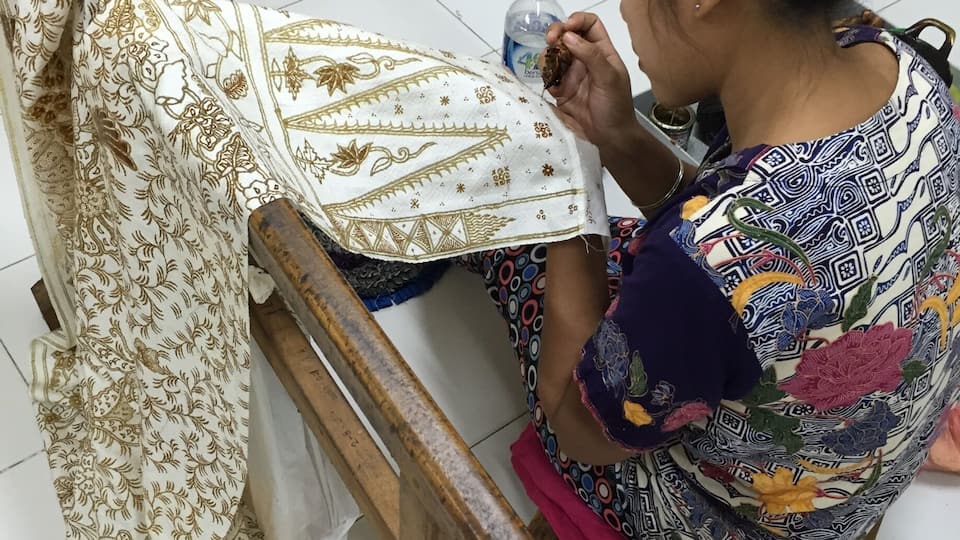
![At the museum no photos are allowed which is really unfortunate as it was well worth the visit and the guided tour is definitely not to be missed. In the museum there are even Batik made from the Dutch era which depicts stories like Little Red Riding Hood and Snow White!
I enjoyed the tour v much and at the end of the tour we were brought to this room where the artisan were working on hand drawn batik.
Below is an excerpt from Wikipedia for anyone interested in learning more about the process of batik making.
Firstly, a cloth is washed, soaked and beaten with a large mallet. Patterns are drawn with pencil and later redrawn using hot wax, usually made from a mixture of paraffin or bees wax, sometimes mixed with plant resins, which functions as a dye-resist. The wax can be applied with a variety of tools. A pen-like instrument called a canting (IPA: [tʃantiŋ], sometimes spelled with old Dutch orthography tjanting) is the most common. A canting is made from a small copper reservoir with a spout on a wooden handle. The reservoir holds the resist which flows through the spout, creating dots and lines as it moves. For larger patterns, a stiff brush may be used. Alternatively, a copper block stamp called a cap (IPA: [tʃap]; old spelling tjap) is used to cover large areas more efficiently.
After the cloth is dry, the resist is removed by scraping or boiling the cloth. The areas treated with resist keep their original color; when the resist is removed the contrast between the dyed and undyed areas forms the pattern. This process is repeated as many times as the number of colors desired.
The most traditional type of batik, called batik tulis (written batik), is drawn using only the canting. The cloth need to be drawn on both sides and dipped in a dye bath three to four times. The whole process may take up to a year; it yields considerably finer patterns than stamped batik.
Source: Wikipedia](https://images.trvl-media.com/place/6224808/26fd1460-c65a-4c1a-9444-7a893e883ac9.jpg?impolicy=fcrop&w=1200&h=500&q=medium)


![At the museum no photos are allowed which is really unfortunate as it was well worth the visit and the guided tour is definitely not to be missed. In the museum there are even Batik made from the Dutch era which depicts stories like Little Red Riding Hood and Snow White!
I enjoyed the tour v much and at the end of the tour we were brought to this room where the artisan were working on hand drawn batik.
Below is an excerpt from Wikipedia for anyone interested in learning more about the process of batik making.
Firstly, a cloth is washed, soaked and beaten with a large mallet. Patterns are drawn with pencil and later redrawn using hot wax, usually made from a mixture of paraffin or bees wax, sometimes mixed with plant resins, which functions as a dye-resist. The wax can be applied with a variety of tools. A pen-like instrument called a canting (IPA: [tʃantiŋ], sometimes spelled with old Dutch orthography tjanting) is the most common. A canting is made from a small copper reservoir with a spout on a wooden handle. The reservoir holds the resist which flows through the spout, creating dots and lines as it moves. For larger patterns, a stiff brush may be used. Alternatively, a copper block stamp called a cap (IPA: [tʃap]; old spelling tjap) is used to cover large areas more efficiently.
After the cloth is dry, the resist is removed by scraping or boiling the cloth. The areas treated with resist keep their original color; when the resist is removed the contrast between the dyed and undyed areas forms the pattern. This process is repeated as many times as the number of colors desired.
The most traditional type of batik, called batik tulis (written batik), is drawn using only the canting. The cloth need to be drawn on both sides and dipped in a dye bath three to four times. The whole process may take up to a year; it yields considerably finer patterns than stamped batik.
Source: Wikipedia](https://images.trvl-media.com/place/6224808/26fd1460-c65a-4c1a-9444-7a893e883ac9.jpg?impolicy=fcrop&w=300&h=400&p=1&q=high)