

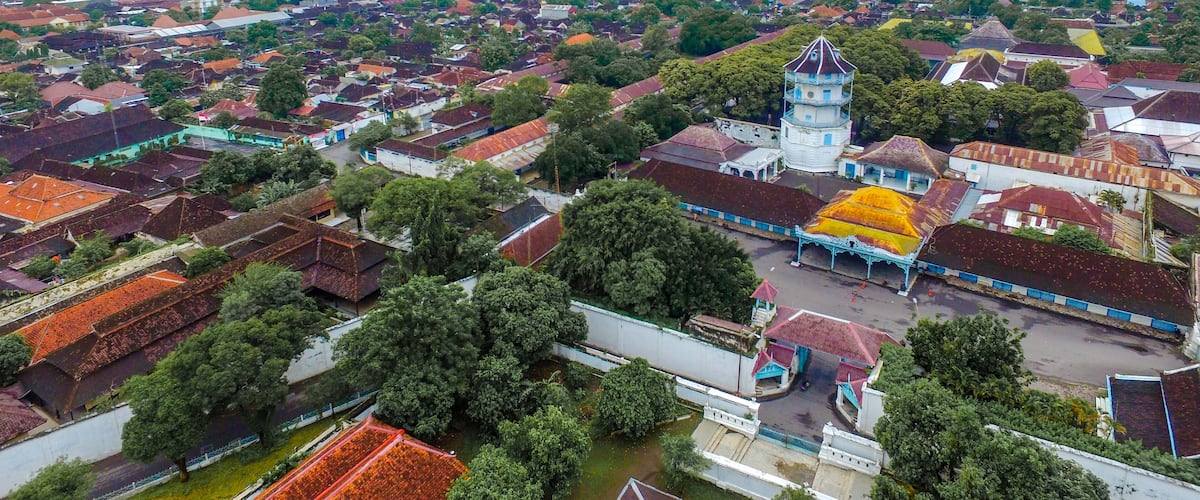
Familiehoteller i Surakarta
 Det er lov å ombestemme segBestill hoteller med gratis avbestilling.
 Vær kresenSøk blant nesten en million overnattingssteder verden rundt.
Familiehoteller i Surakarta: Sjekk tilgjengelighet
I kveld
I morgen
Denne helgen
Neste helg
Våre anbefalinger for hoteller med familievennlige hoteller i Surakarta
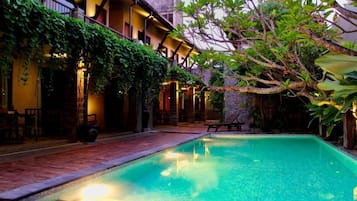


9.0 av 10, Fantastisk, (9 anmeldelser)
«Stunning gardens surround the rooms. A little slice of paradise just outside the city.»

Thomas
Prisen er 358 kr
inkludert skatter og avgifter
9. mai–10. mai

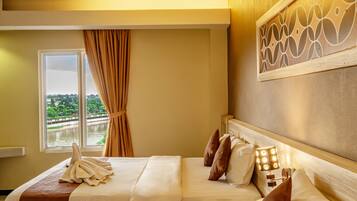


Prisen er 166 kr
inkludert skatter og avgifter
10. mai–11. mai


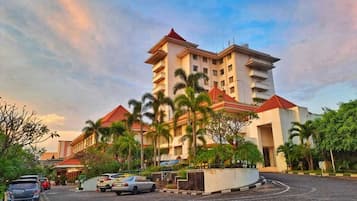
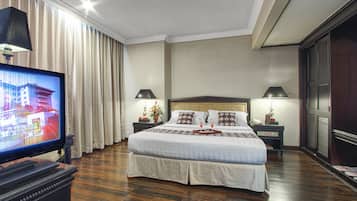
The Alana Hotel and Convention Center - Solo by Aston
The Alana Hotel and Convention Center - Solo by AstonColomadu
8.2 av 10, Veldig bra, (62 anmeldelser)
Prisen er 706 kr
inkludert skatter og avgifter
22. mai–23. mai

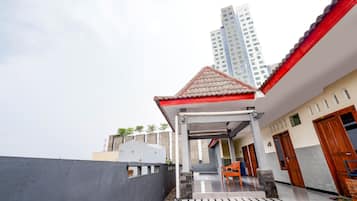


10.0 av 10, Suverent, (1 anmeldelse)
«Nice»
Khaled
Prisen er 79 kr
inkludert skatter og avgifter
17. mai–18. mai


Prisen er 439 kr
inkludert skatter og avgifter
11. mai–12. mai


8.6 av 10, Utmerket, (81 anmeldelser)
«We arrived late and ordered room service dinner. Food was great, staff super helpful and friendly. Breakfast buffet also excellent. Enjoyed our short stay and will stay here again next trip to Solo.»
Jordan
Prisen er 449 kr
inkludert skatter og avgifter
24. mai–25. mai


9.0 av 10, Fantastisk, (11 anmeldelser)
«Staff were courteous, breakfast options are plenty»
Alamsyah
Prisen er 472 kr
inkludert skatter og avgifter
10. mai–11. mai
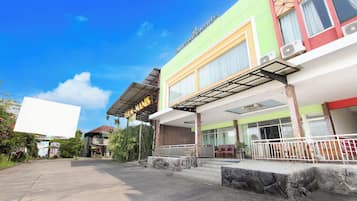
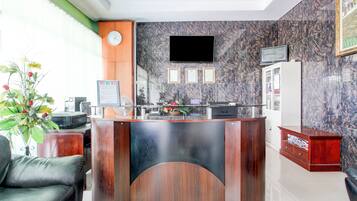

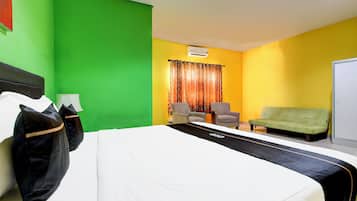
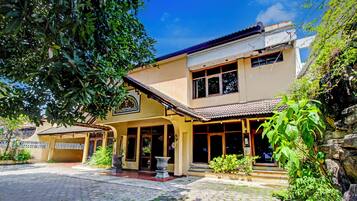
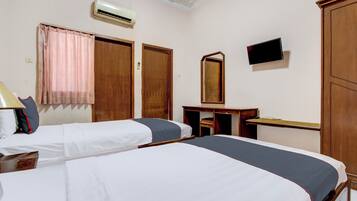
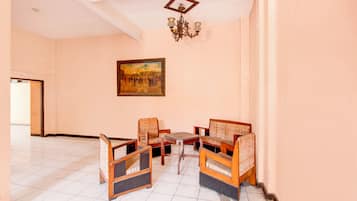
Hotel O Jalan Slamet Riyadi Near Bandara Adi Soemarmo Formerly Amanah Sejahtera
Hotel O Jalan Slamet Riyadi Near Bandara Adi Soemarmo Formerly Amanah SejahteraNgemplak
Prisen er 66 kr
inkludert skatter og avgifter
13. mai–14. mai

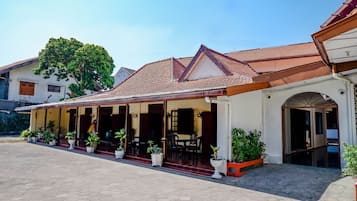

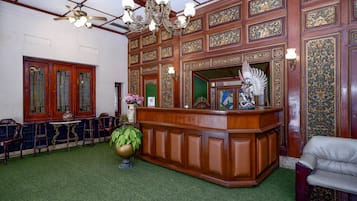
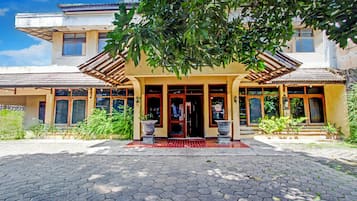
Laveste pris per natt funnet de siste 24 timene, basert på et opphold på 1 natt for 2 voksne. Priser og tilgjengelighet kan endre seg. Ytterligere vilkår kan gjelde.
Familievennlige hoteller med frokost inkludert i Surakarta
Prisen er 166 kr
inkludert skatter og avgifter
10. mai–11. mai
Familievennlige hoteller med basseng i Surakarta
9.0 av 10, Fantastisk, (9)
Prisen er 358 kr
inkludert skatter og avgifter
9. mai–10. mai
Laveste pris per natt funnet de siste 24 timene, basert på et opphold på 1 natt for 2 voksne. Priser og tilgjengelighet kan endre seg. Ytterligere vilkår kan gjelde.