

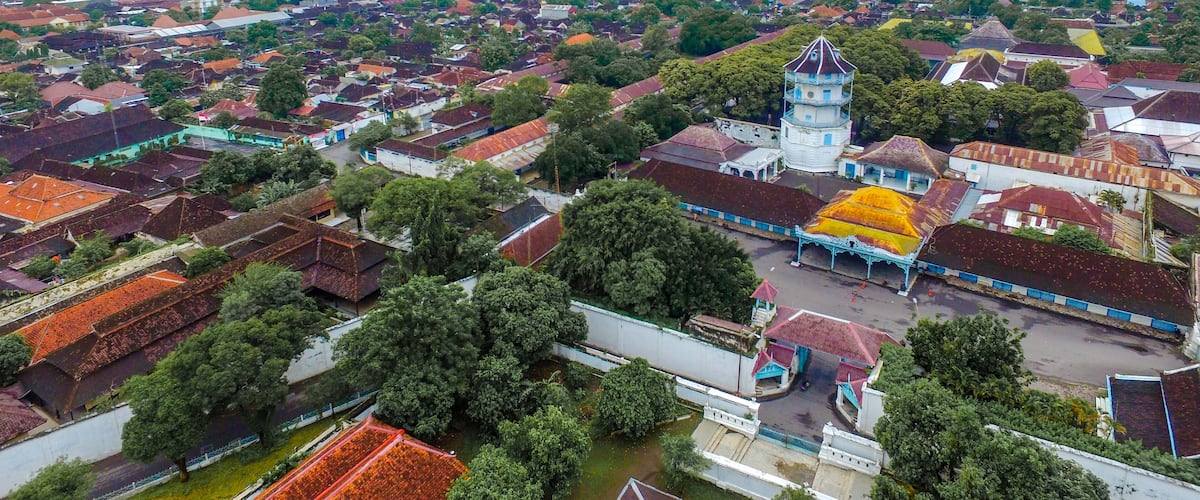
Hoteller i nærheten av Adisumarmo internasjonale flyplass flyplass
 Det er lov å ombestemme segBestill hoteller med gratis avbestilling.
 Vær kresenSøk blant nesten en million overnattingssteder verden rundt.
Sjekk priser på disse datoene
I kveld
I morgen
Denne helgen
Neste helg
Våre anbefalinger for hoteller nær Surakarta (SOC-Adisumarmo internasjonale flyplass)


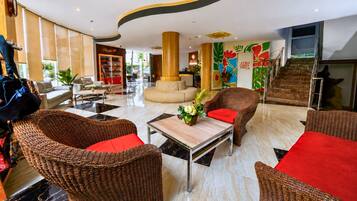

1. Ayra Hotel Airport Solo
Ayra Hotel Airport Solo0,9 km fra Surakarta (SOC-Adisumarmo internasjonale flyplass)
Prisen er 158 kr
inkludert skatter og avgifter
19. sep.–20. sep.

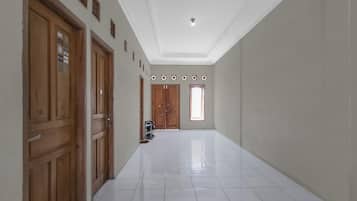
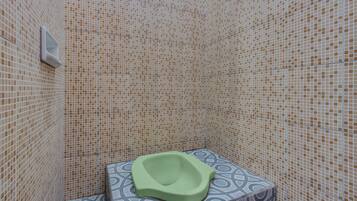

2. OYO 94931 Mardi Homestay Syariah
OYO 94931 Mardi Homestay Syariah0,6 km fra Surakarta (SOC-Adisumarmo internasjonale flyplass)
Prisen er 34 kr
inkludert skatter og avgifter
20. sep.–21. sep.
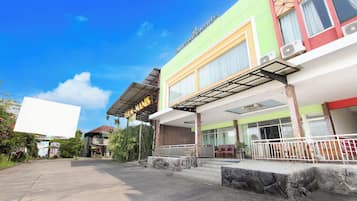
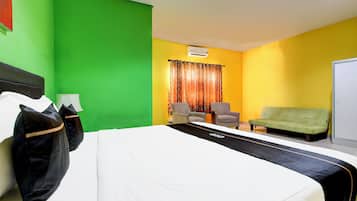

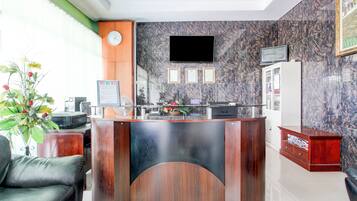
3. Hotel O Jalan Slamet Riyadi Near Bandara Adi Soemarmo Formerly Amanah Sejahtera
Hotel O Jalan Slamet Riyadi Near Bandara Adi Soemarmo Formerly Amanah Sejahtera0,8 km fra Surakarta (SOC-Adisumarmo internasjonale flyplass)
Prisen er 59 kr
inkludert skatter og avgifter
20. sep.–21. sep.




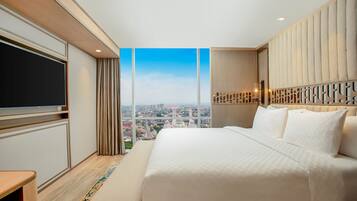
4. Alila Solo, Java
Alila Solo, Java6,5 km fra Surakarta (SOC-Adisumarmo internasjonale flyplass)
9.2 av 10, Fantastisk, (152 anmeldelser)
Prisen er 671 kr
inkludert skatter og avgifter
20. sep.–21. sep.



5. Swiss-Belhotel Solo
Swiss-Belhotel Solo9,2 km fra Surakarta (SOC-Adisumarmo internasjonale flyplass)
9.2 av 10, Fantastisk, (43 anmeldelser)
«The hotel was very nice and the staff was very courteous and helpful. We truly enjoyed our stay and look forward to returning in the future.»

STAN
Prisen er 502 kr
inkludert skatter og avgifter
24. sep.–25. sep.

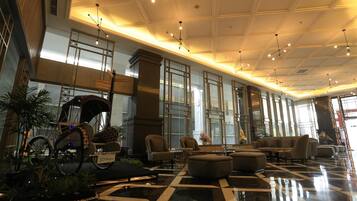


6. Zigna Kampung Batik
Zigna Kampung Batik8,1 km fra Surakarta (SOC-Adisumarmo internasjonale flyplass)
10.0 av 10, Suverent, (4 anmeldelser)
Prisen er 333 kr
inkludert skatter og avgifter
18. sep.–19. sep.


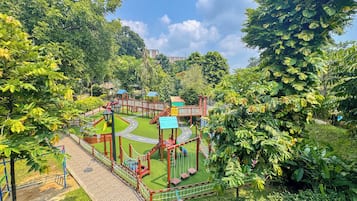

7. Lorin Syariah Solo Hotel
Lorin Syariah Solo Hotel4 km fra Surakarta (SOC-Adisumarmo internasjonale flyplass)
8.2 av 10, Veldig bra, (14 anmeldelser)
«Nyaman»

Heriyanto
Prisen er 229 kr
inkludert skatter og avgifter
18. sep.–19. sep.



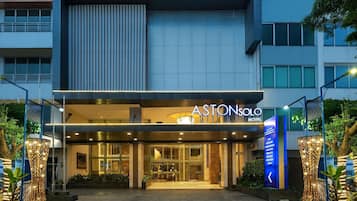
8. Aston Solo
Aston Solo7,9 km fra Surakarta (SOC-Adisumarmo internasjonale flyplass)
8.6 av 10, Utmerket, (97 anmeldelser)
Prisen er 586 kr
inkludert skatter og avgifter
5. okt.–6. okt.




9. Mahalaya The Legacy Solo
Mahalaya The Legacy Solo9,9 km fra Surakarta (SOC-Adisumarmo internasjonale flyplass)
9.0 av 10, Fantastisk, (7 anmeldelser)
«ロビーの吹き抜けが気持ちいいコロニアル風ビルのホテル。外出から戻り、レモングラスの香りが漂うロビーに入るとほっとしました。
滞在中、私の電子機器の不具合が原因で部屋が停電してしまったのですが(恐らくヒューズが飛んだ)、夜遅い時間にもかかわらずすぐにエンジニアが対応してくれ助かりました。
プールは小さく、プールサイドのスペースもあまりないので泳ぐのが好きな人には少し物足りないかもしれません。
プールサイドのカフェで滞在中1回、アフタヌーンティーのサービスがあり、インドネシアのお菓子が中心の素敵なセットで楽しくいただきました。また、ここのカフェはビールも提供しています。
メインダイニングは最上階にありますが、朝食会場も兼ねていて、カジュアルな雰囲気。夜はあまり利用者がないように見受けられました。
すぐ近くにショッピングモールがあり、ちょっとした買い物や上階のフードコートでの食事などに便利です。»

MIZUHO
Prisen er 339 kr
inkludert skatter og avgifter
20. sep.–21. sep.


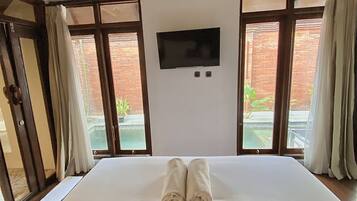

10. Chrome Hotel & Resort Solo
Chrome Hotel & Resort Solo3,6 km fra Surakarta (SOC-Adisumarmo internasjonale flyplass)
8.4 av 10, Veldig bra, (8 anmeldelser)
Prisen er 422 kr
inkludert skatter og avgifter
18. sep.–19. sep.



11. HARRIS Hotel & Conventions Solo
HARRIS Hotel & Conventions Solo7,8 km fra Surakarta (SOC-Adisumarmo internasjonale flyplass)
10.0 av 10, Suverent, (4 anmeldelser)
Prisen er 341 kr
inkludert skatter og avgifter
8. okt.–9. okt.






13. FIM by Zigna
FIM by Zigna9,7 km fra Surakarta (SOC-Adisumarmo internasjonale flyplass)
9.4 av 10, Suverent, (6 anmeldelser)
«Fint hotel, veldig god frokost, god mat i restauranten, deilig basseng område. Bra parkering. »

Frode
Prisen er 295 kr
inkludert skatter og avgifter
21. sep.–22. sep.


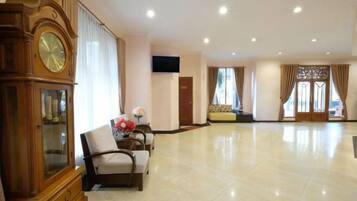

14. Hotel Diamond
Hotel Diamond8,2 km fra Surakarta (SOC-Adisumarmo internasjonale flyplass)
10.0 av 10, Suverent, (1 anmeldelse)
«Très bien »

JACQUES
Prisen er 170 kr
inkludert skatter og avgifter
20. sep.–21. sep.

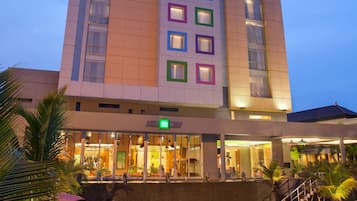


15. ibis Styles Solo
ibis Styles Solo9,6 km fra Surakarta (SOC-Adisumarmo internasjonale flyplass)
8.2 av 10, Veldig bra, (109 anmeldelser)
«Room nice and clean, staff was great and nice, breakfast was good and delicious and has pool is a plus.»
Endro
Prisen er 251 kr
inkludert skatter og avgifter
4. okt.–5. okt.
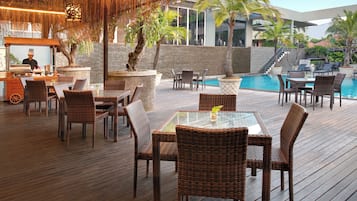



16. Novotel Solo
Novotel Solo9,6 km fra Surakarta (SOC-Adisumarmo internasjonale flyplass)
8.2 av 10, Veldig bra, (122 anmeldelser)
Prisen er 359 kr
inkludert skatter og avgifter
4. okt.–5. okt.




17. favehotel Manahan - Solo
favehotel Manahan - Solo6,7 km fra Surakarta (SOC-Adisumarmo internasjonale flyplass)
7.2 av 10, Bra, (45 anmeldelser)
«had feel some language barrier. »
Freedom
Prisen er 280 kr
inkludert skatter og avgifter
1. okt.–2. okt.


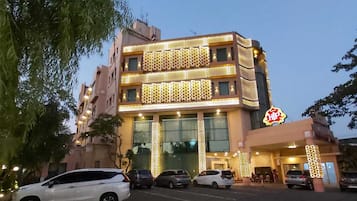

18. Hotel Indah Palace Solo
Hotel Indah Palace Solo9,8 km fra Surakarta (SOC-Adisumarmo internasjonale flyplass)
9.0 av 10, Fantastisk, (4 anmeldelser)
«Great stay here.ll'be back here if i want to stay in surakarta.»

Sam
Prisen er 214 kr
inkludert skatter og avgifter
20. sep.–21. sep.
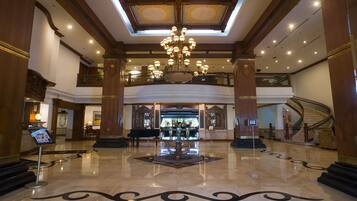


19. The Sunan Hotel Solo
The Sunan Hotel Solo7 km fra Surakarta (SOC-Adisumarmo internasjonale flyplass)
7.4 av 10, Bra, (6 anmeldelser)
«Comfortable room »

Kwok Man Billie
Prisen er 363 kr
inkludert skatter og avgifter
4. okt.–5. okt.


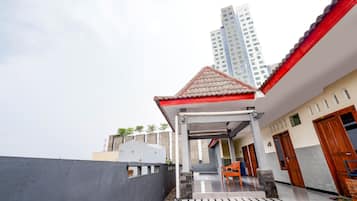
20. Hotel O Solo Point Guest House Syariah
Hotel O Solo Point Guest House Syariah6,4 km fra Surakarta (SOC-Adisumarmo internasjonale flyplass)
10.0 av 10, Suverent, (1 anmeldelse)
«Nice»
Khaled
Prisen er 71 kr
inkludert skatter og avgifter
21. sep.–22. sep.
Laveste pris per natt funnet de siste 24 timene, basert på et opphold på 1 natt for 2 voksne. Priser og tilgjengelighet kan endre seg. Ytterligere vilkår kan gjelde.
Anmeldelser av populære hoteller ved Adisumarmo internasjonale flyplass
Hoteller i Ngemplak med gratis skyttelbuss

The Gambir Anom Hotel Resort & Convention
Jl. Embakasi Haji No. 24, Solo Ngemplak Central Java
7,4/10 Bra! (9 anmeldelser)