

Bilde tatt av Sharrie Shaw

Resorter og hoteller med spa i Tegalrejo
 Det er lov å ombestemme segBestill hoteller med gratis avbestilling.
 Vær kresenSøk blant nesten en million overnattingssteder verden rundt.
Resorter og hoteller med spa i Tegalrejo: Sjekk tilgjengelighet
I kveld
I morgen
Denne helgen
Neste helg
Våre anbefalinger for hoteller med spa i Tegalrejo
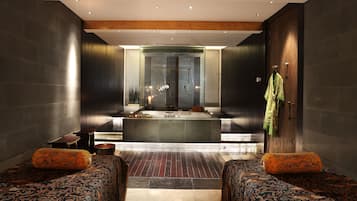


Prisen er 1 388 kr
inkludert skatter og avgifter
12. apr.–13. apr.



9.4 av 10, Suverent, (93 anmeldelser)
«beautiful hotel with a nice view. large balcony and friendly staff. its in the jungle and you can breathe the fresh air. wish we can stay longer. maybe some other time ..»

Shierly
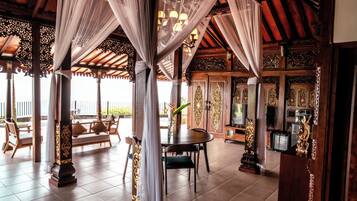
Prisen er 1 098 kr
inkludert skatter og avgifter
13. apr.–14. apr.



10.0 av 10, Suverent, (1 anmeldelse)
«Wir waren mehr als zufrieden mit unserem Aufenthalt in diesem Hotel, es war schlichtweg hervorragend. Besonders hervorheben möchten wir den außergewöhnlichen Service: Nachdem ich mir in einem anderen Lokal eine Lebensmittelvergiftung zugezogen hatte, wurde mir hier auf jede erdenkliche Weise geholfen. Das Team hat sofort einen Arzt gerufen, regelmäßig nachgefragt, ob es mir besser geht, und mir sogar Elektrolyte zur Verfügung gestellt. Diese Fürsorge und Aufmerksamkeit sind wirklich nicht ...

Anonym reisende
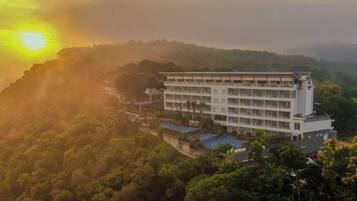
Prisen er 834 kr
inkludert skatter og avgifter
8. apr.–9. apr.


9.4 av 10, Suverent, (6 anmeldelser)
«El personal es lo máximo, la habitación un verdadera belleza.»

Amalia E
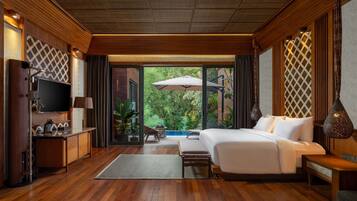
Prisen er 3 365 kr
inkludert skatter og avgifter
7. apr.–8. apr.


9.4 av 10, Suverent, (113 anmeldelser)
«Founders home was spacious, elegant, and a great oasis for »
Naimish
Prisen er 4 133 kr
inkludert skatter og avgifter
9. apr.–10. apr.


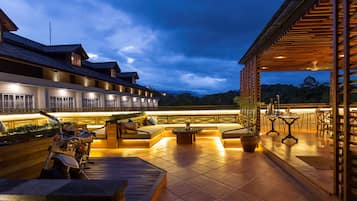
9.4 av 10, Suverent, (155 anmeldelser)
«雰囲気が最高。食事も素晴らしい。»

HARUMICHI
Prisen er 2 098 kr
inkludert skatter og avgifter
9. apr.–10. apr.
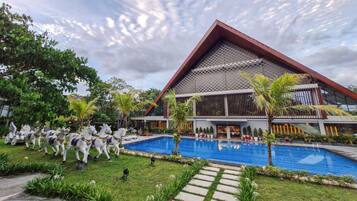
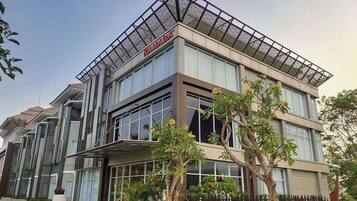


10.0 av 10, Suverent, (2 anmeldelser)
«Still under construction so there may be some minor disruptions here and there. But the staff’s hospitality and care more than makes up for it. The rooms are new and the beds are very comfortable also. It’s the perfect area to be if you’re visiting Borobudur and north area and also only 25 mins to Malioboro. Will return to this hotel if I’m back to Jogja!»

Ean-Keat
Prisen er 355 kr
inkludert skatter og avgifter
9. apr.–10. apr.




8.0 av 10, Veldig bra, (1 anmeldelse)
«Clean room nice surroundings»
Whitney
Prisen er 1 233 kr
inkludert skatter og avgifter
7. apr.–8. apr.
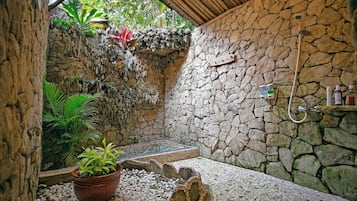



Laveste pris per natt funnet de siste 24 timene, basert på et opphold på 1 natt for 2 voksne. Priser og tilgjengelighet kan endre seg. Ytterligere vilkår kan gjelde.
Anmeldelser av populære hoteller i Tegalrejo
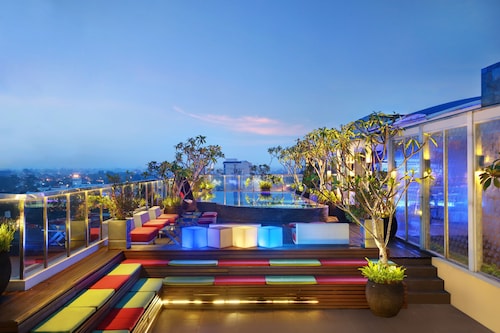
ibis Styles Yogyakarta
10/10 Utmerket