
Hoteller i Nikiski
 Det er lov å ombestemme segBestill hoteller med gratis avbestilling.
 Vær kresenSøk blant nesten en million overnattingssteder verden rundt.
Velg noe utenom det vanlige i Nikiski
Kjæledyrvennlig
Leilighet
Leilighet (condo)
Familievennlig
Hytte
Sjekk priser på disse datoene
I kveld
27. sep. - 28. sep.I morgen
28. sep. - 29. sep.Neste helg
2. okt. - 4. okt.Om to uker
9. okt. - 11. okt.Våre anbefalinger for hoteller i Nikiski
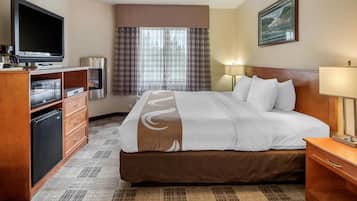

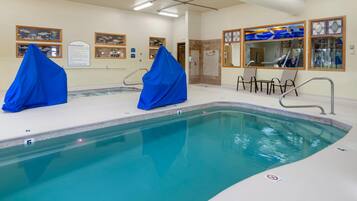
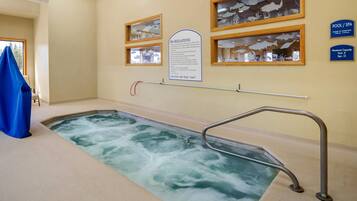
1. Quality Inn Kenai
Quality Inn KenaiKenai

Elisha
1 120 kr
inkludert skatter og avgifter
25. okt.–26. okt.
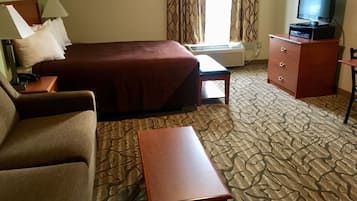
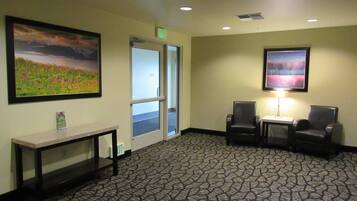


2. Aspen Extended Stay Suites Kenai
Aspen Extended Stay Suites KenaiKenai
lynne
1 533 kr
inkludert skatter og avgifter
7. okt.–8. okt.


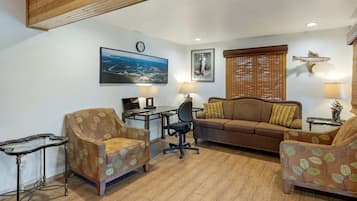
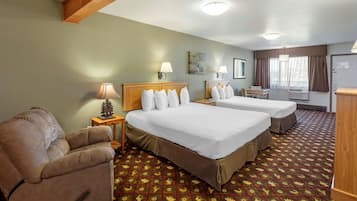
3. Best Western King Salmon Inn
Best Western King Salmon InnSoldotna
Jessica
1 497 kr
inkludert skatter og avgifter
1. okt.–2. okt.


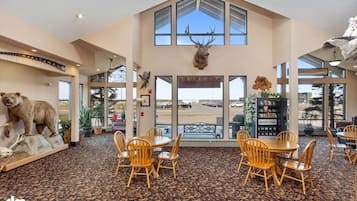
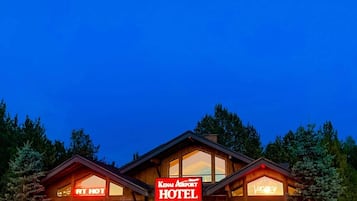
4. Kenai Airport Hotel
Kenai Airport HotelKenai
Teodor
1 160 kr
inkludert skatter og avgifter
16. okt.–17. okt.
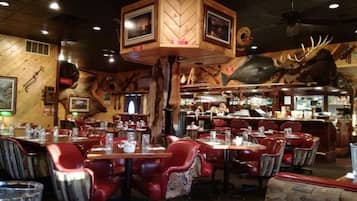


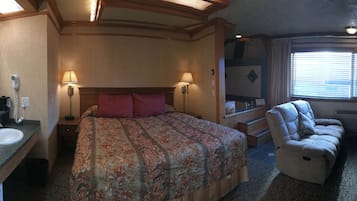
5. Uptown Motel Kenai
Uptown Motel KenaiKenai
Karen
1 242 kr
inkludert skatter og avgifter
3. okt.–4. okt.



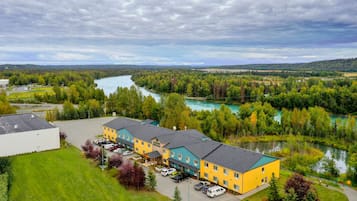
6. Aspen Hotel Soldotna
Aspen Hotel SoldotnaSoldotna
nancylynn
1 591 kr
inkludert skatter og avgifter
7. okt.–8. okt.

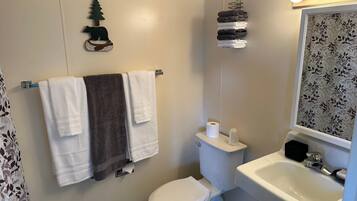

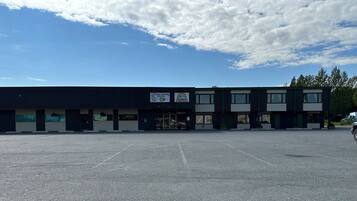
7. The Kenai Inn
The Kenai InnKenai
1 157 kr
inkludert skatter og avgifter
1. okt.–2. okt.

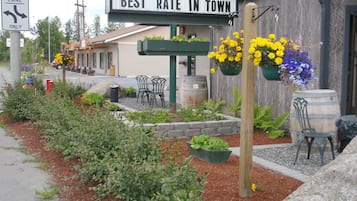
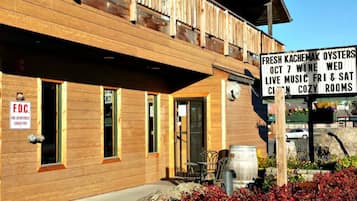

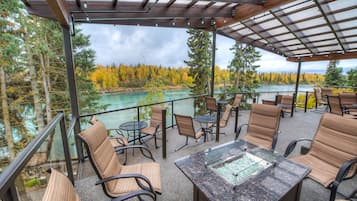
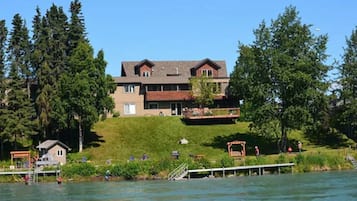
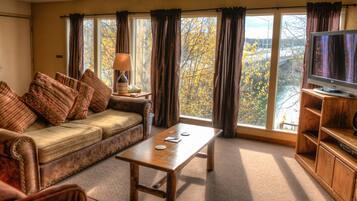

9. Kenai River Lodge
Kenai River LodgeSoldotna
Laura
1 360 kr
inkludert skatter og avgifter
1. okt.–2. okt.
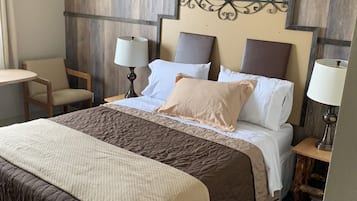


10. Alaska Angler's Inn
Alaska Angler's InnSoldotna
922 kr
inkludert skatter og avgifter
28. sep.–29. sep.
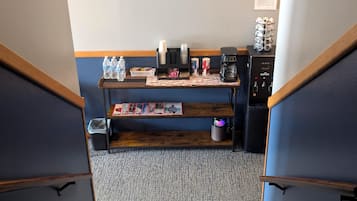
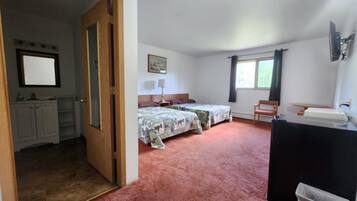
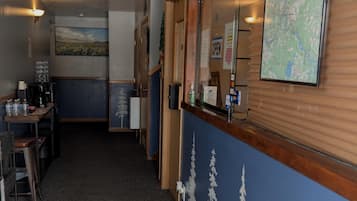
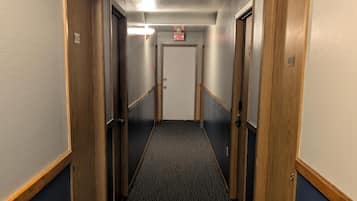
11. The Hibernation Station
The Hibernation StationSterling
838 kr
inkludert skatter og avgifter
28. sep.–29. sep.
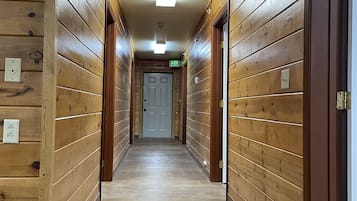
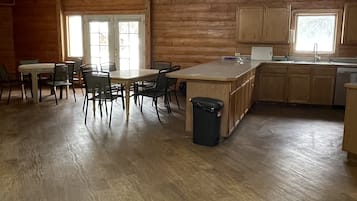
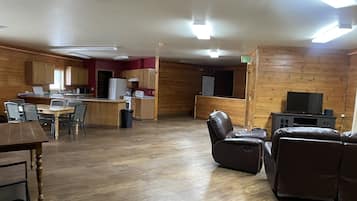

12. Soldotna Lodge
Soldotna LodgeSoldotna
David
662 kr
inkludert skatter og avgifter
28. sep.–29. sep.


13. ALASKA LAKE and LODGE AT LONGMERE
ALASKA LAKE and LODGE AT LONGMERESoldotna
1 907 kr
inkludert skatter og avgifter
28. okt.–29. okt.
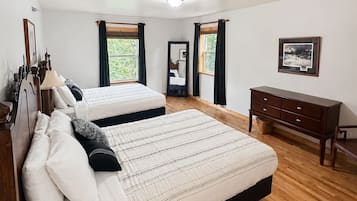

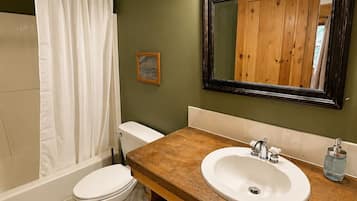

14. Alaska Legends Kenai River Lodge
Alaska Legends Kenai River LodgeSoldotna
3 056 kr
inkludert skatter og avgifter
3. okt.–4. okt.
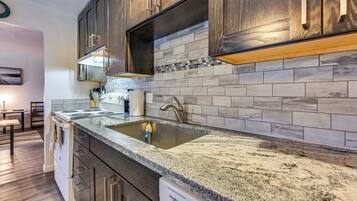
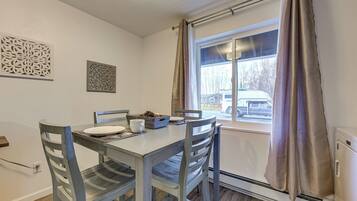

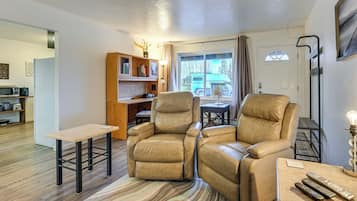
15. Comfort & Convenience! Apt in Central Soldotna
Comfort & Convenience! Apt in Central SoldotnaSoldotna
4 453 kr
inkludert skatter og avgifter
28. sep.–29. sep.

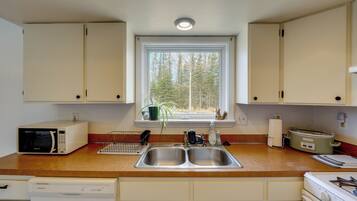


16. < 1 Mi to Soldotna Creek Park: Retreat w/ Fire Pit
< 1 Mi to Soldotna Creek Park: Retreat w/ Fire PitSoldotna
Anonym reisende
4 137 kr
inkludert skatter og avgifter
30. sep.–1. okt.

Bo nær populære severdigheter i Nikiski
North Peninsula Recreation Area
8.8/10 (18 anmeldelser)
Opplev naturen i Nikiski med en tur til flotte, grønnkledte North Peninsula Recreation Area. Området har vulkaner du bør oppleve.
Kotsina Road
8.0/10 (8 anmeldelser)
Sett av litt tid til å besøke Kotsina Road under turen til Nikiski. Området har vulkaner du bør oppleve.
Island Lake
Få en flott naturopplevelse ved å utforske Island Lake under besøket i Nikiski. Området har en innsjø du bør oppleve.
Georgina Lake
Få en flott naturopplevelse ved å utforske Georgina Lake under besøket i Nikiski. Området har en innsjø du bør oppleve.
North Pennisula Recreation Center
8.0/10 (11 anmeldelser)
Få med deg et arrangement ved North Pennisula Recreation Center under turen til Nikiski. Området har vulkaner du bør oppleve.
Cabin Lake
Få en flott naturopplevelse ved å utforske Cabin Lake under besøket i Nikiski. Området har en innsjø du bør oppleve.
East Foreland Lighthouse Reserve
Sett av litt tid til å besøke East Foreland Lighthouse Reserve under turen til Nikiski. Området har en innsjø du bør oppleve.
Dogbone Lake
Få en flott naturopplevelse ved å utforske Dogbone Lake under besøket i Nikiski. Området har en innsjø du bør oppleve.
Få mer informasjon om Nikiski
Opplev alt bortgjemte Nikiski har å by på: kanoturer, badeland, camping og mye mer!
Se alle hoteller i Nikiski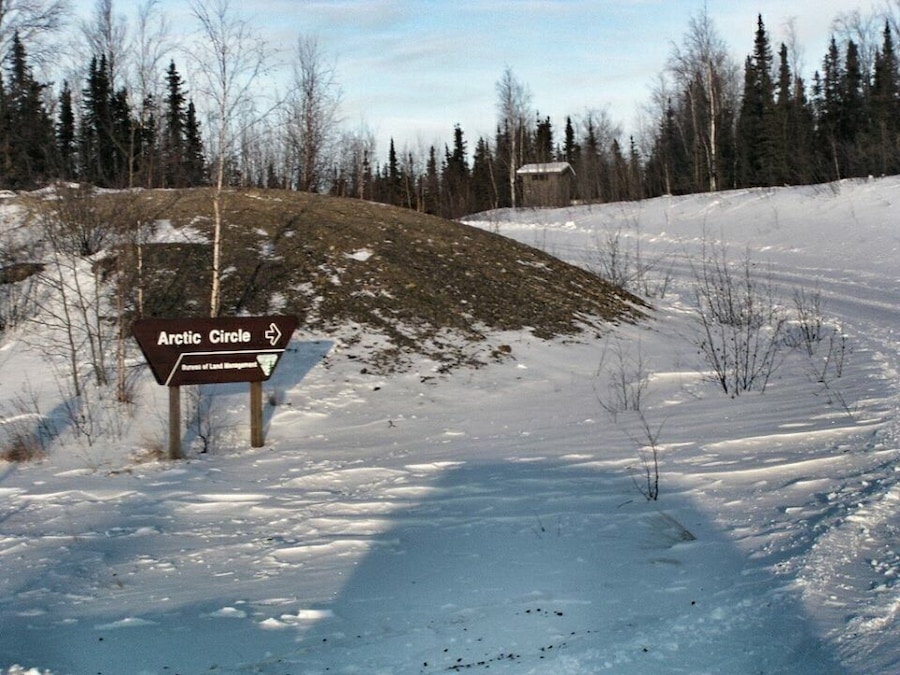
Bilde: Sharrie Shaw
Anmeldelser av populære hoteller i Nikiski
Billig overnatting i Nikiski

Soldotna Inn
35041 Kenai Spur Hwy. Soldotna AK
744 kr
4. okt.–5. okt.
inkludert skatter og avgifter

Quality Inn Kenai
10352 Kenai Spur Hwy Kenai AK
1 120 kr
25. okt.–26. okt.
inkludert skatter og avgifter
8,4/10 Veldig bra! (629 anmeldelser)

Uptown Motel Kenai
47 Spur View Drive Kenai AK
1 242 kr
3. okt.–4. okt.
inkludert skatter og avgifter
8,6/10 Utmerket! (334 anmeldelser)
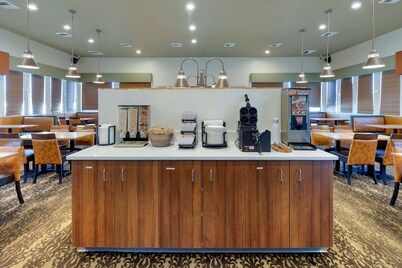
Best Western King Salmon Inn
35545 Kenai Spur Hwy Soldotna AK
1 497 kr
1. okt.–2. okt.
inkludert skatter og avgifter
8,4/10 Veldig bra! (421 anmeldelser)

Aspen Extended Stay Suites Kenai
10431 Kenai Spur Hwy Kenai AK
1 533 kr
7. okt.–8. okt.
inkludert skatter og avgifter
9,2/10 Fantastisk! (801 anmeldelser)
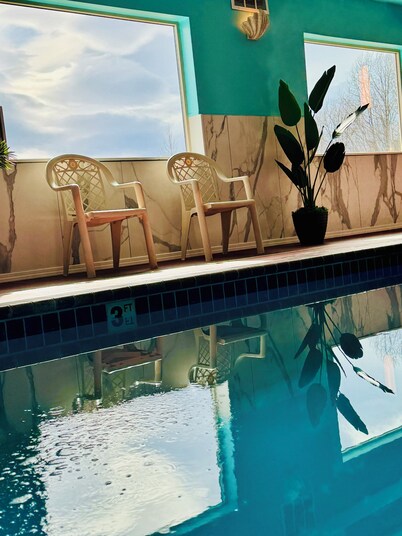
Aspen Hotel Soldotna
326 Binkley Circle Soldotna AK
1 591 kr
7. okt.–8. okt.
inkludert skatter og avgifter
8,6/10 Utmerket! (873 anmeldelser)